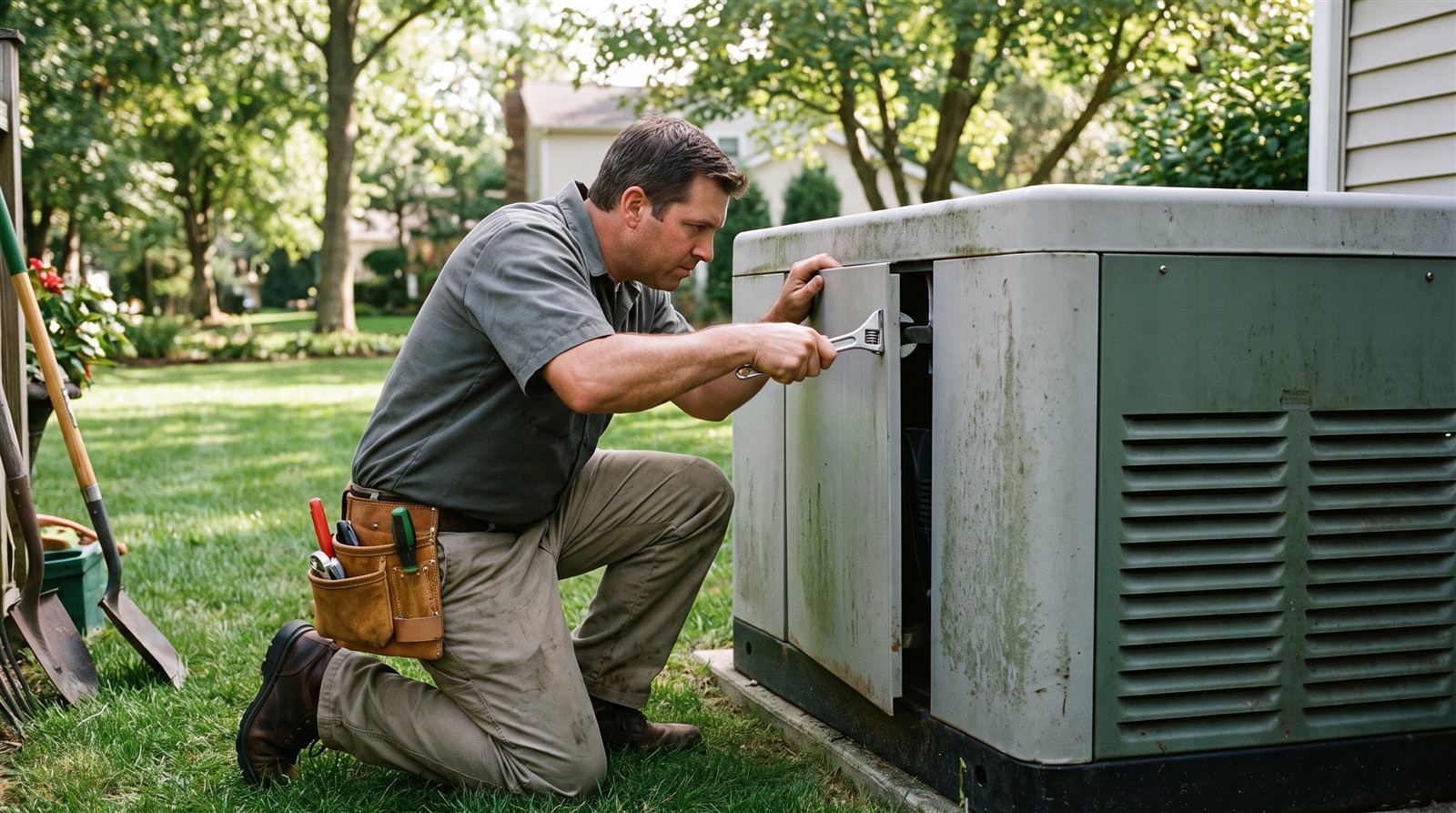
Carbon monoxide (CO) safety is a genuinely serious topic anytime a combustion engine is involved, and it deserves clear, accurate information rather than either alarmism or false reassurance. The good news for standby generator owners is that a correctly installed, permanently sited whole-house unit carries a substantially lower carbon monoxide risk than the portable generators responsible for most of the tragic CO poisoning cases reported each year, precisely because standby units are installed outdoors, at a manufacturer-specified distance from the home, and are never brought inside a garage or living space. That said, “lower risk” is not the same as “no risk,” and every homeowner should understand why detectors, proper clearance, and prompt attention to symptoms still matter.
Why Portable Generators Cause Most CO Deaths
The vast majority of generator-related carbon monoxide deaths involve portable generators run inside an enclosed or semi-enclosed space, a garage with the door partly open, a basement, or too close to a window or door, often during a power outage when people are improvising for convenience or trying to keep the unit dry or secure. Carbon monoxide is colorless and odorless, which means victims often don’t realize exposure is happening until symptoms like headache, dizziness, nausea, or confusion set in, sometimes too late for the person to recognize what’s happening and get to fresh air.
Why Standby Generators Are a Different Risk Profile
A permanently installed whole-house standby generator is designed and sited specifically to avoid this scenario. These units are always installed outdoors, mounted on a pad at a distance from windows, doors, and fresh air intakes that is determined by the manufacturer’s specifications and local building code, and they’re never operated inside a garage, shed, or any enclosed structure the way a portable generator sometimes tragically is. This fundamental difference in installation, professionally sited and permanently fixed outdoors rather than moved around and operated wherever is convenient during a stressful outage, is why standby generators are associated with a much lower rate of CO incidents than portables.
This does not mean the exhaust itself is somehow different or less hazardous; standby generators still produce carbon monoxide as a normal byproduct of combustion, exactly like any engine burning natural gas, propane, or diesel. The safety difference comes entirely from professional installation and correct clearance, which is exactly why those two things matter so much.
Why Clearance Distances Matter
Every standby generator manufacturer publishes a minimum required clearance from windows, doors, and other openings into the home, based on testing for that specific model’s exhaust output and airflow pattern. This is not a figure to estimate or guess at, and it’s also not something we’ll state as a specific number here, since exact clearance requirements vary by manufacturer, model, and are also subject to local building code, which can be more restrictive than the manufacturer’s minimum. Always confirm the exact required distance in your specific unit’s installation manual, and make sure your installer has followed both the manufacturer’s specification and your local code during placement, not just whichever is more convenient for the site.
If you’re purchasing a home with an existing standby generator already installed, it’s reasonable to ask for documentation confirming the unit was installed to the manufacturer’s clearance specification, particularly if the placement looks close to a window, door, or the neighboring home.
Why Carbon Monoxide Detectors Still Matter
Even with a properly installed standby generator sited at the correct distance, functioning carbon monoxide detectors inside the home remain an important safety layer, for the same reason they’re recommended in any home with any fuel-burning appliance, including furnaces and water heaters. Detectors provide a backup line of defense against the unexpected: a detector placed near sleeping areas, tested regularly, and replaced according to the manufacturer’s recommended service life, is one of the simplest and most effective safety investments a homeowner can make, generator or no generator.
- Install CO detectors near sleeping areas, following manufacturer placement guidance, and test them regularly.
- Replace detector batteries and the units themselves according to manufacturer-recommended intervals, since CO sensors do have a service life.
- Never disable or ignore a CO detector alarm, even if you suspect it might be a false alarm.
What to Do If You Suspect Carbon Monoxide Exposure
If a carbon monoxide detector alarms, or if anyone in the home experiences symptoms that could indicate CO exposure, such as headache, dizziness, nausea, confusion, or unusual fatigue, especially if multiple people or pets are affected at once, get everyone to fresh air outside immediately and call emergency services (911 in the United States). Do not go back inside to investigate, open windows, or try to identify the source yourself. Once everyone is safe and emergency responders have assessed the situation, contact a qualified technician to inspect your generator and any other fuel-burning appliances before resuming normal use. This is not a situation for home remedies, waiting to see if symptoms pass, or troubleshooting on your own — treat any suspected CO exposure as a medical emergency first and an equipment question second.
Keeping the Installation Safe Over Time
Beyond the initial installation, periodically confirm that landscaping, fencing, sheds, or other additions to your property haven’t reduced the generator’s clearance from windows or doors below the required specification, since yards change over the years in ways that can inadvertently compromise an installation that was correctly sited when new. If you ever add a room, enclosed porch, or other structure near the generator, involve your installer or local building department before assuming the new structure won’t affect required clearance.
Key Takeaways
- A correctly installed, permanently outdoor standby generator carries substantially lower carbon monoxide risk than a portable generator run too close to a home, but the risk is not zero.
- Manufacturer-specified clearance from windows, doors, and openings exists for a real safety reason; always confirm the exact distance in your unit’s manual and local code, and never assume a shortcut is safe.
- Functioning carbon monoxide detectors inside the home remain an important safety layer regardless of how well the generator itself is installed.
- If a CO detector alarms or anyone shows possible CO poisoning symptoms, get to fresh air immediately and call emergency services; this is a medical emergency, not a troubleshooting task.
- Periodically confirm that landscaping or new structures haven’t reduced your generator’s original safe clearance over time.
Frequently Asked Questions
Is a whole-house standby generator as dangerous as a portable generator for carbon monoxide?
No. Standby generators are installed outdoors at a manufacturer-specified distance from the home and are never operated inside an enclosed space, which is the scenario responsible for the large majority of generator-related CO deaths involving portable units. The risk is meaningfully lower, but proper installation and detectors are still essential, not optional.
What is the safe distance for a standby generator from my house?
The required minimum clearance is set by your specific generator’s manufacturer and by local building code, and it varies by model. Rather than relying on a general number, confirm the exact figure in your unit’s installation manual and ensure your installer followed it along with any local code requirement.
Do I still need carbon monoxide detectors if I have a properly installed standby generator?
Yes. Detectors are a recommended safety layer in any home with fuel-burning equipment, including furnaces and water heaters, not just generators. They provide a backup line of defense and should be installed, tested, and replaced according to manufacturer guidance regardless of how your generator is installed.
What should I do if my carbon monoxide detector goes off while my generator is running?
Get everyone in the home to fresh air outside immediately and call emergency services. Do not go back inside to investigate or try to identify the cause yourself. Once emergency responders confirm it’s safe, contact a qualified technician to inspect the generator and any other fuel-burning appliances before resuming normal use.
Can I reduce my generator’s required clearance distance if space on my property is limited?
No. The manufacturer’s minimum clearance specification, and any stricter local code requirement, should never be reduced for convenience. If your property genuinely cannot accommodate the required clearance, discuss alternative placement options or a different generator model with a qualified installer rather than compromising on distance.