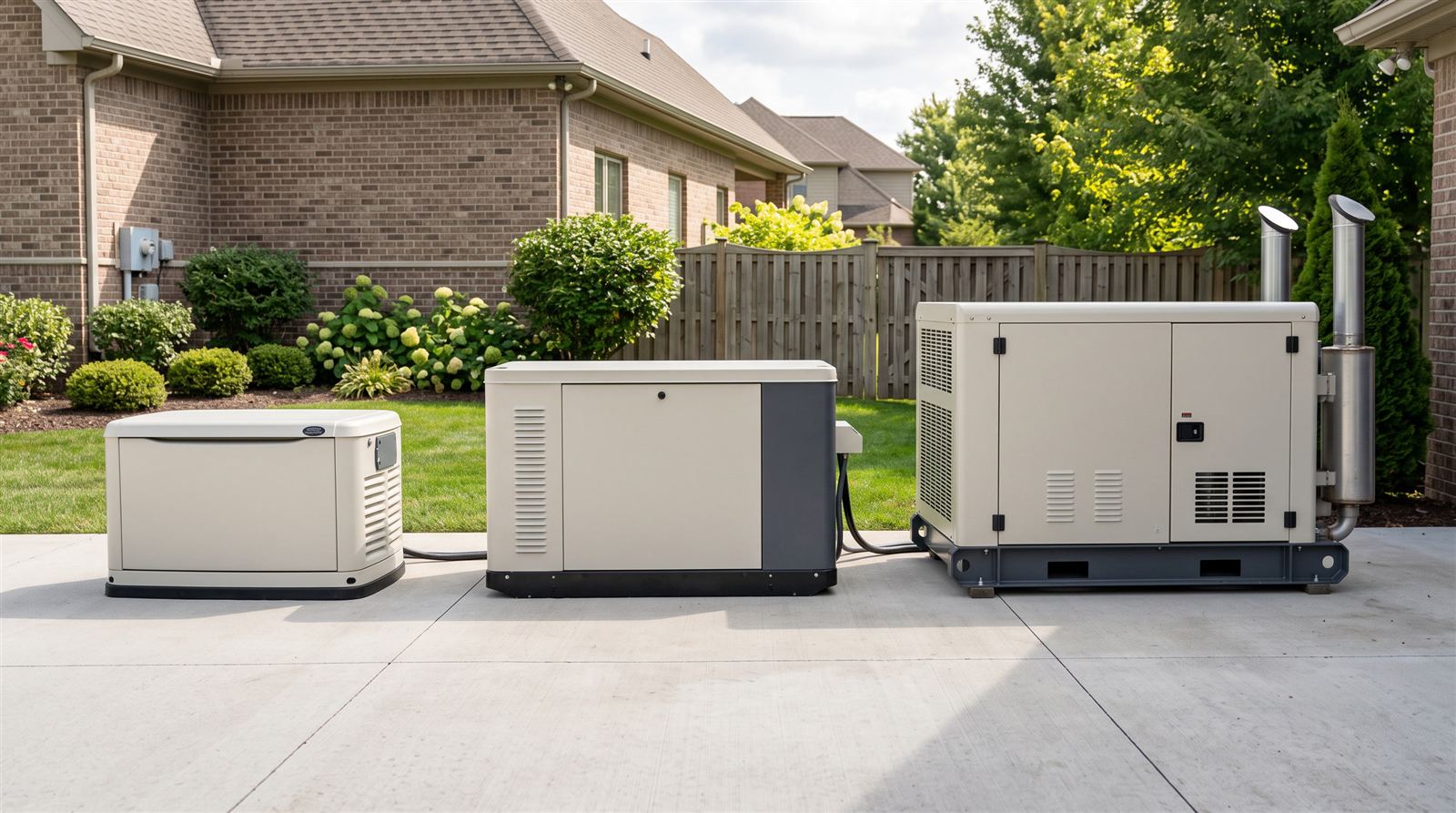
Standby generator dealers commonly offer an extended warranty on top of the manufacturer’s standard limited warranty, and deciding whether to pay for one depends on understanding exactly what additional protection you are actually buying, since the answer varies significantly by contract and is easy to misjudge based on sales pressure alone.
What a Standard Manufacturer Warranty Typically Covers
Most standby generator manufacturers include a limited warranty with the purchase of a new unit, generally covering defects in materials and workmanship for a set number of years, with terms that vary by model tier and sometimes by whether the unit is registered promptly after installation. These standard warranties typically do not cover routine maintenance items, damage from improper installation or neglect, or failures caused by inadequate upkeep. Always request the exact current warranty terms in writing from your dealer for the specific model you are purchasing, since coverage length and conditions vary by manufacturer, model, and sometimes even by region.
Note: never rely on general assumptions about warranty length or coverage — confirm the specific terms, conditions, and any registration requirements directly from the manufacturer’s current documentation for your exact model.
What Extended Warranties Generally Add
Extended warranty products, whether sold by the manufacturer, the dealer, or a third-party warranty company, generally extend the coverage period beyond the standard manufacturer warranty and sometimes broaden what is covered, such as including labor costs for repairs that the base warranty might only cover for parts. The specific scope varies enormously between providers and contracts — some extended plans closely mirror the manufacturer’s original coverage just for a longer period, while others add coverage for wear items or emergency service call fees that the base warranty excludes.
Because these details differ so much by contract, the only reliable way to evaluate a specific offer is to read the actual contract language, not a sales summary, and compare it line by line against your base manufacturer warranty’s terms.
Questions to Ask Before Buying One
- Does the extended warranty cover both parts and labor, or parts only?
- Is routine maintenance still required and documented to keep the extended warranty valid, and if so, does it need to be performed by a specific certified dealer?
- Are there exclusions for specific components, like the engine, the transfer switch, or electronic control boards, that differ from the base warranty?
- What is the claims process, and is the warranty backed by the manufacturer directly or by a separate third-party company that could go out of business?
- Is the cost of the extended warranty transferable if you sell your home, and does that add resale value?
Getting clear written answers to these questions, rather than a general sales pitch about “peace of mind,” is the difference between a genuinely useful purchase and an added cost with limited real benefit.
When an Extended Warranty Tends to Make Sense
An extended warranty is more likely to be worth considering if you plan to keep the home and generator for many years beyond the base warranty period, if the specific contract clearly adds meaningful coverage (like labor costs or wear-item coverage) beyond what the base warranty already includes, and if you would genuinely struggle to cover a major unexpected repair cost out of pocket. It can also make sense in regions where the generator will accumulate running hours quickly due to frequent outages, since heavier use can increase the odds of needing a covered repair before you would otherwise plan to.
When It Tends to Be a Weaker Value
If the extended warranty largely duplicates coverage you already have under the base manufacturer warranty, if required maintenance conditions are burdensome or expensive to maintain compliance with, or if you plan to sell the home relatively soon and the warranty is not transferable or does not meaningfully boost resale value, the added cost may not deliver proportional value. Some homeowners are also better served financially by setting aside the cost of an extended warranty into a personal repair fund, particularly if they are comfortable managing occasional repair costs directly and want more flexibility in choosing a repair provider.
How to Compare the Cost Against the Risk
Because generator repair costs for major components can be substantial, weighing the extended warranty’s price against a realistic estimate of potential repair costs, discounted by how likely a major failure actually is within the extension period, is a more useful mental exercise than treating the decision as purely emotional. Ask your dealer for a rough sense of the most common major repairs they see and their typical out-of-pocket cost, which gives you a more grounded basis for comparison than a general warranty sales pitch alone.
Key Takeaways
- Standard manufacturer warranties cover defects in materials and workmanship for a set period, but exclude routine maintenance and neglect-related damage — confirm exact current terms in writing.
- Extended warranty coverage varies enormously by provider and contract — read the actual document, not a sales summary, before deciding.
- Ask specifically about parts-versus-labor coverage, maintenance requirements, component exclusions, and whether the plan is manufacturer-backed or third-party.
- Extended warranties tend to make more sense for long-term homeowners in high-outage areas, or when the contract clearly adds coverage beyond the base warranty.
- Compare the extended warranty’s cost against a realistic estimate of potential repair costs and likelihood, not against a general sense of “peace of mind.”
Frequently Asked Questions
Does a standard generator warranty cover labor costs?
This varies by manufacturer and model — some standard warranties include labor for a shorter period than parts coverage, while others separate the two more distinctly. Always confirm the exact current terms in writing for the specific model you are purchasing, rather than assuming.
Is an extended warranty the same as a maintenance plan?
No, though the two are sometimes bundled or confused. An extended warranty generally covers unexpected repairs due to defects or failures, while a maintenance plan covers routine, scheduled service like oil changes and inspections. Confirm exactly what a specific offer includes before assuming it covers both.
Can an extended warranty become void if I skip maintenance?
Often, yes. Many extended warranty contracts require documented, regular maintenance, sometimes performed by a specific certified dealer, to remain valid. Read the maintenance requirements carefully, since failing to meet them can void coverage even if the eventual failure seems unrelated to a missed service visit.
Is a third-party extended warranty as reliable as a manufacturer-backed one?
Not necessarily equivalent. A manufacturer-backed extended warranty is generally tied to the company that built the unit and its established dealer network, while a third-party warranty depends on that separate company’s own financial stability and claims process. Ask specifically who backs the contract before purchasing.
Should I buy an extended warranty if I plan to sell my home soon?
It depends on whether the specific warranty is transferable to a new homeowner and whether that transferability meaningfully affects your home’s resale value or buyer interest. If you plan to sell soon and the warranty offers limited transfer value, the added cost may not be worthwhile.