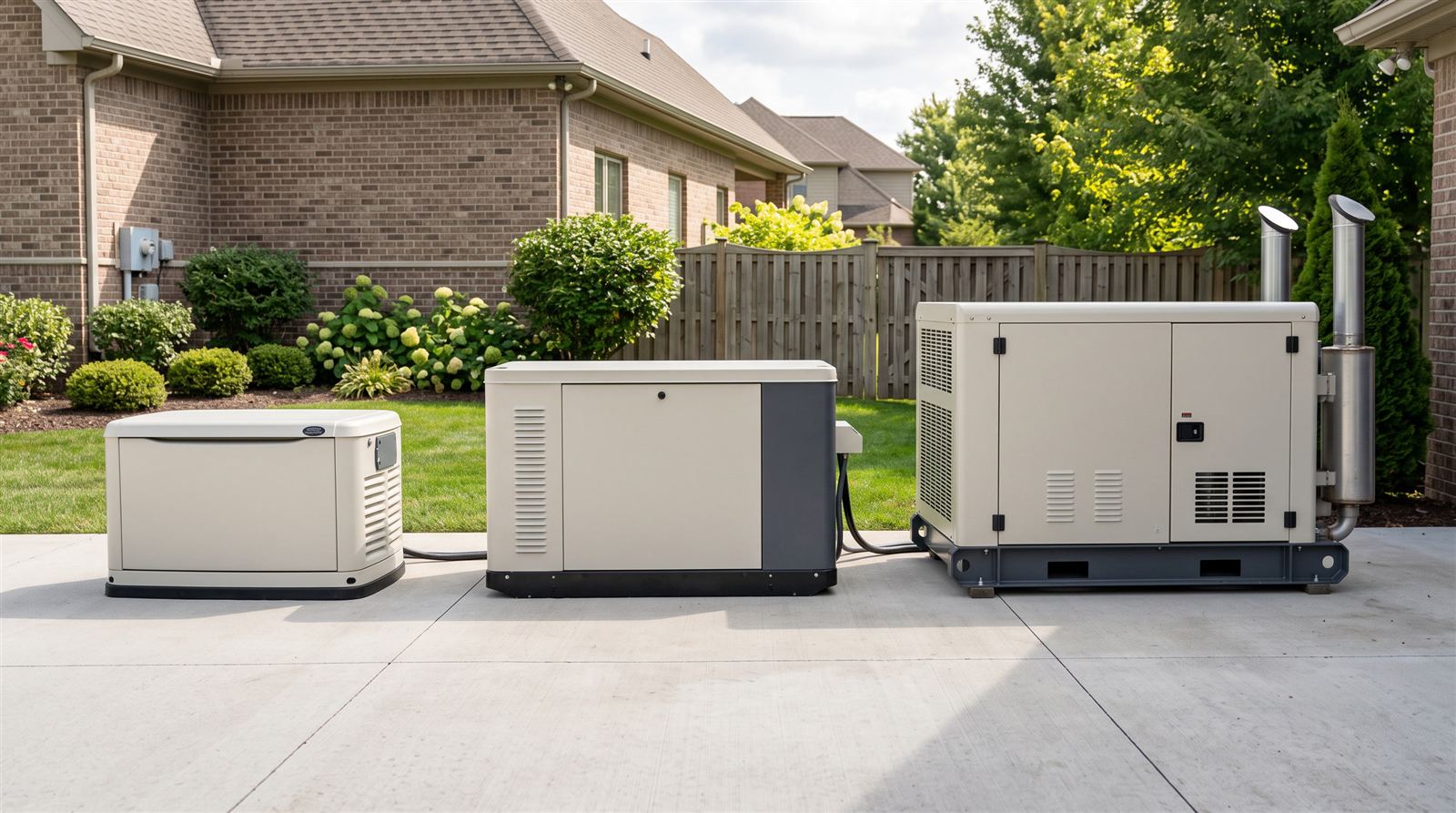
Sales materials for standby generators focus, understandably, on the moment the lights come back on during an outage. What gets less attention is everything else: the weekly self-test noise, the annual maintenance bill, the neighbor conversations, and the small surprises that come up after the installer has left and the generator becomes just another piece of equipment attached to your house. This is a general look at the ownership realities that commonly surface, based on patterns reported by homeowners and installers, rather than a collection of specific reviews or testimonials.
The Weekly Self-Test Nobody Mentions Upfront
Most standby generators are programmed to run a brief self-test on a recurring schedule, commonly weekly, to confirm they will start when actually needed. This is a genuinely important reliability feature, but it also means your generator will make noise at a predictable time every week, indefinitely, for as long as you own it. Homeowners who did not fully register this detail before installation sometimes find it mildly annoying at first, particularly if the scheduled time conflicts with early mornings or outdoor gatherings, though most report that it becomes background noise after the first few months. You can typically adjust the scheduled test time to a more convenient window, which is worth doing during your initial installer walkthrough rather than living with an inconvenient default.
Maintenance Costs Are Recurring, Not One-Time
The installed price of a generator is a one-time cost, but ongoing maintenance is not. Most manufacturers recommend periodic professional service, generally involving oil changes and inspections on a schedule tied to running hours, and skipping this maintenance is one of the more common ways homeowners end up with a generator that fails when they actually need it. Budgeting for an annual service visit, rather than treating maintenance as an occasional afterthought, tends to separate homeowners who report years of trouble-free operation from those who encounter frustrating failures during an actual outage.
Note: never assume “if it’s not broken, it doesn’t need service” applies to a standby generator — these units are specifically designed to sit idle for long stretches and then perform reliably on demand, which is exactly the scenario that benefits most from consistent preventive maintenance.
Noise Complaints Sometimes Come From Neighbors, Not You
Homeowners often focus on how the generator sounds to them, but a common surprise reported after installation is a comment or complaint from a neighbor, particularly if the unit sits close to a shared property line or a neighbor’s bedroom window. This is worth anticipating during the site survey rather than discovering after installation — asking your installer to consider neighbor-facing placement, not just code-minimum setback distances, can prevent an awkward conversation later.
The Permit and Inspection Process Can Feel Slower Than Expected
Homeowners frequently underestimate how long the full process takes from signed contract to a fully inspected, legally operational system, since equipment availability, permit approval timelines, and inspector scheduling are often the actual bottleneck rather than the physical installation work itself, which usually takes only a day or two. Setting expectations around a multi-week timeline from the start, rather than assuming installation will be quick, tends to reduce frustration during the process.
It Changes How You Think About Outages
A commonly reported shift in mindset after living with a standby generator for a while is a kind of reduced anxiety around storm forecasts and outage warnings that previously caused real stress, particularly for households with someone dependent on powered medical equipment, a home office, or a well pump for water. This psychological benefit is harder to quantify than a dollar figure, but it is frequently cited as a major factor in overall satisfaction, separate from the purely technical performance of the unit itself.
Not Every Surprise Is Positive
Some homeowners report frustration with warranty claim processes that took longer than expected, unexpected quotes for a panel upgrade discovered mid-installation rather than during the initial site survey, or a fuel bill increase they had not fully anticipated from more frequent propane deliveries or higher natural gas usage during self-tests and actual outages. None of these issues are universal, and none reflect a defect inherent to any particular brand, but they are common enough patterns that it is worth asking your installer directly about each of them before signing a contract, rather than assuming they will not apply to your situation.
What Tends to Separate Satisfied Owners From Frustrated Ones
Based on recurring patterns in how homeowners describe their experience, satisfaction tends to track more closely with getting a correct load calculation and thorough site survey upfront, choosing an installer who communicates clearly about permits and timelines, and staying current on maintenance, rather than tracking closely with brand choice alone. In other words, the process around the purchase often matters as much as the generator itself.
Key Takeaways
- Weekly self-tests are a normal, important feature, but the noise and schedule are worth adjusting to a convenient time during your initial walkthrough.
- Ongoing maintenance costs are real and recurring — budgeting for annual service protects the reliability you paid for upfront.
- Neighbor noise complaints are a commonly reported surprise; discuss placement with neighbors’ windows in mind during the site survey, not after installation.
- The full process from contract to inspection often takes several weeks, even though physical installation itself is usually quick.
- Overall satisfaction tends to track more closely with installer quality, correct sizing, and consistent maintenance than with brand choice alone.
Frequently Asked Questions
Is the weekly self-test noise a big deal?
Most homeowners report it becomes background noise after the first few months, though it can be mildly annoying if scheduled at an inconvenient time initially. Ask your installer to set the self-test schedule to a time that works well for your household during the initial walkthrough.
How much should I budget for ongoing generator maintenance?
Costs vary by generator size, brand, and local labor rates, so get a specific estimate from your installer for their recommended annual service visit rather than relying on a general figure. What matters most is committing to the manufacturer’s recommended schedule consistently, since skipped maintenance is a common cause of reliability problems.
Do neighbors usually complain about generator noise?
Not universally, but it is a commonly reported surprise, particularly when a unit sits close to a shared property line or a neighbor’s window. Discussing placement with your installer during the site survey, with your neighbors’ perspective in mind, can help prevent this issue before installation.
Why does the installation process take longer than expected?
Permit approval, equipment availability, and inspector scheduling are typically the actual bottlenecks, not the physical installation work, which usually takes only a day or two. Setting expectations around a multi-week overall timeline from the start tends to reduce frustration.
Does brand choice matter more than installer quality for long-term satisfaction?
Based on common patterns in homeowner and installer feedback, installer quality, correct sizing, and consistent maintenance tend to matter as much as or more than brand choice for long-term satisfaction. A well-installed, well-maintained unit from any major manufacturer generally performs reliably for years.