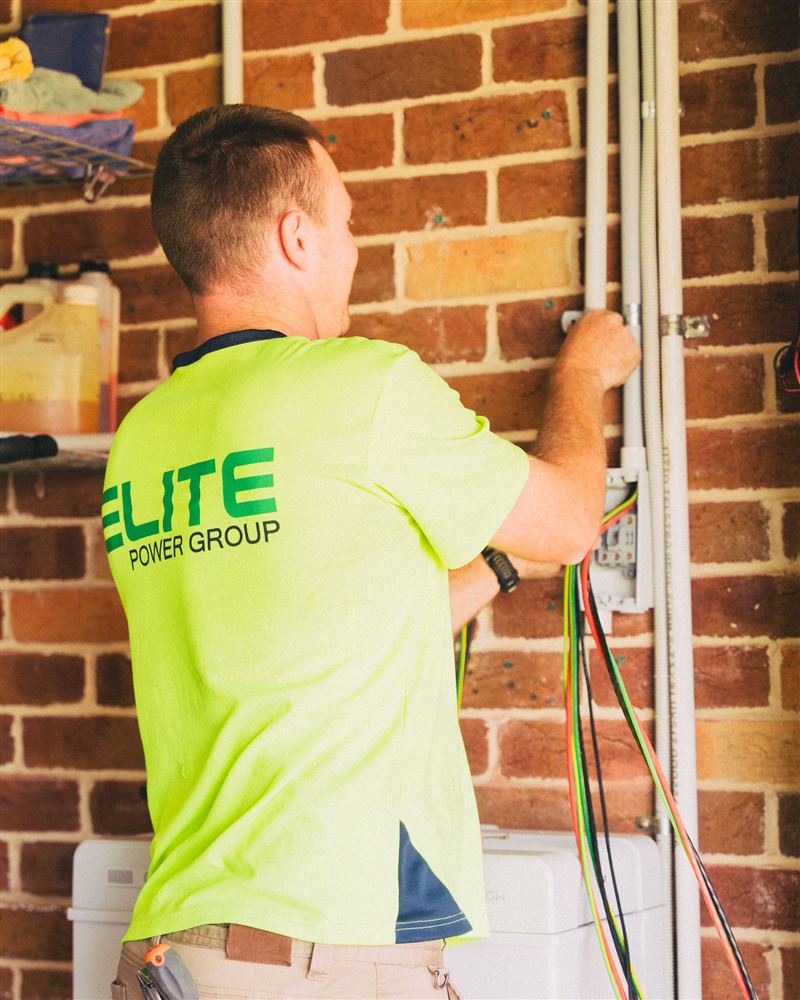
Not every home is ready for a standby generator connection without some electrical work beyond the generator itself. During the site survey, an electrician evaluates your existing panel’s age, capacity, and condition, and in a meaningful number of cases determines that a panel upgrade or modification is needed before the generator and transfer switch can be safely and legally connected. Knowing the common triggers ahead of time helps you budget realistically and avoid a surprise mid-project.
Why Panel Condition Matters for Generator Installation
Your electrical panel is the hub where the automatic transfer switch ties into your home’s wiring. If the panel is outdated, damaged, undersized for the added load, or uses obsolete components, it may not be able to safely support the new connection, regardless of how correctly the generator and transfer switch themselves are installed. Electrical inspectors specifically look at panel condition and capacity during the permitting process, so an underlying panel issue can stall or fail an inspection even when everything generator-related is done correctly.
Common Reasons a Panel Upgrade Is Needed
Insufficient Amperage Capacity
Homes with older 100-amp electrical services sometimes do not have enough spare capacity to add a whole-house generator connection on top of existing loads, particularly if the home has since added central air conditioning, an electric range, or other major appliances since the panel was installed. In these cases, upgrading to a 200-amp service is a common recommendation, since it provides headroom for both current usage and the new generator connection.
Outdated or Recalled Panel Brands
Certain older panel brands and models have known safety issues or have been the subject of manufacturer recalls or industry scrutiny over the decades, and electricians and inspectors are generally cautious about connecting new equipment to these panels. If your home has one of these older panel types, your electrician may recommend a full panel replacement rather than working around it, both for the generator project and for your home’s general electrical safety.
Federal Pacific and Zinsco-Style Panels
Homes built roughly from the 1950s through the 1970s sometimes still have original panels from manufacturers whose older product lines have a documented history of breaker failures. If your electrician identifies one of these panels during the site survey, replacing it is often treated as a prerequisite for any new major electrical connection, not just the generator.
Lack of Available Breaker Space
Even a panel with adequate amperage capacity can lack physical open slots for the new breakers the transfer switch and generator control wiring require. In this case, the fix may be a smaller and less expensive change, such as installing a subpanel or a tandem breaker where code allows, rather than a full panel replacement.
Non-Compliant Grounding or Bonding
Some older homes have grounding systems that do not meet current code requirements. Since a transfer switch and generator system depend on proper grounding to function safely, an electrician may need to correct grounding or bonding issues as part of the project, even if a full panel replacement is not required.
Note: whether a panel upgrade is required depends on your home’s existing electrical system and your local electrical code. Only a licensed electrician who has evaluated your specific panel can determine what your project actually needs.
How This Affects Your Project Cost and Timeline
A panel upgrade adds both cost and time to a generator installation project, since it is effectively a separate electrical job with its own permit and inspection in most jurisdictions, sometimes performed before the generator work can even begin. Homeowners planning a generator installation should ask directly during the initial site survey whether their panel is adequate, so this cost can be built into the overall project budget rather than surfacing as a surprise change order partway through.
Signs Your Panel Might Need Attention Before You Even Call an Installer
While only a licensed electrician can make a final determination, a few signs can suggest your panel may need evaluation:
- Breakers that trip frequently under normal household use
- A panel more than 30 to 40 years old that has never been updated
- Warm or discolored breakers or a panel cover
- A panel brand your electrician flags as having a known history of issues
- No available open breaker slots for new circuits
If any of these apply to your home, it is worth raising them proactively when you schedule your generator site survey, rather than waiting for the electrician to discover them.
Key Takeaways
- A panel upgrade is sometimes required before a generator and transfer switch can be safely and legally connected.
- Insufficient amperage, lack of breaker space, and outdated grounding are among the most common triggers.
- Certain older panel brands with documented reliability issues are frequently flagged for full replacement.
- A panel upgrade adds a separate cost, permit, and inspection to your overall project timeline.
- Ask about panel condition proactively during your generator site survey to avoid a mid-project surprise.
Frequently Asked Questions
How do I know if my panel needs an upgrade before I even schedule a site survey?
You generally cannot know for certain without a licensed electrician’s evaluation, but panel age, frequent tripping, and a lack of open breaker slots are common indicators worth mentioning when you schedule your survey.
Does upgrading from 100-amp to 200-amp service always cost the same?
No, cost varies based on your utility’s specific requirements, whether the service entrance and meter also need updating, and regional labor rates. Get a specific quote from a licensed electrician rather than assuming a flat cost.
Can I add a generator without upgrading my panel if I only power essential circuits?
Sometimes, yes. A smaller, essential-circuits generator setup paired with a subpanel or load-management device can occasionally avoid the need for a full main panel upgrade, though this still depends on your panel’s specific condition and capacity.
Will my homeowner’s insurance require a panel upgrade for older panel brands?
Some insurers do ask about panel type during underwriting or renewal, independent of any generator project, and certain older panel brands can affect insurability or premiums. This is a separate consideration from the generator installation itself, but worth discussing with your insurance provider.
How long does a panel upgrade typically add to the project timeline?
It varies by jurisdiction and utility coordination requirements, since a service upgrade sometimes requires the utility company to schedule a meter change in addition to the electrician’s work and its own permit and inspection. Ask your electrician for a realistic estimate based on your specific situation.