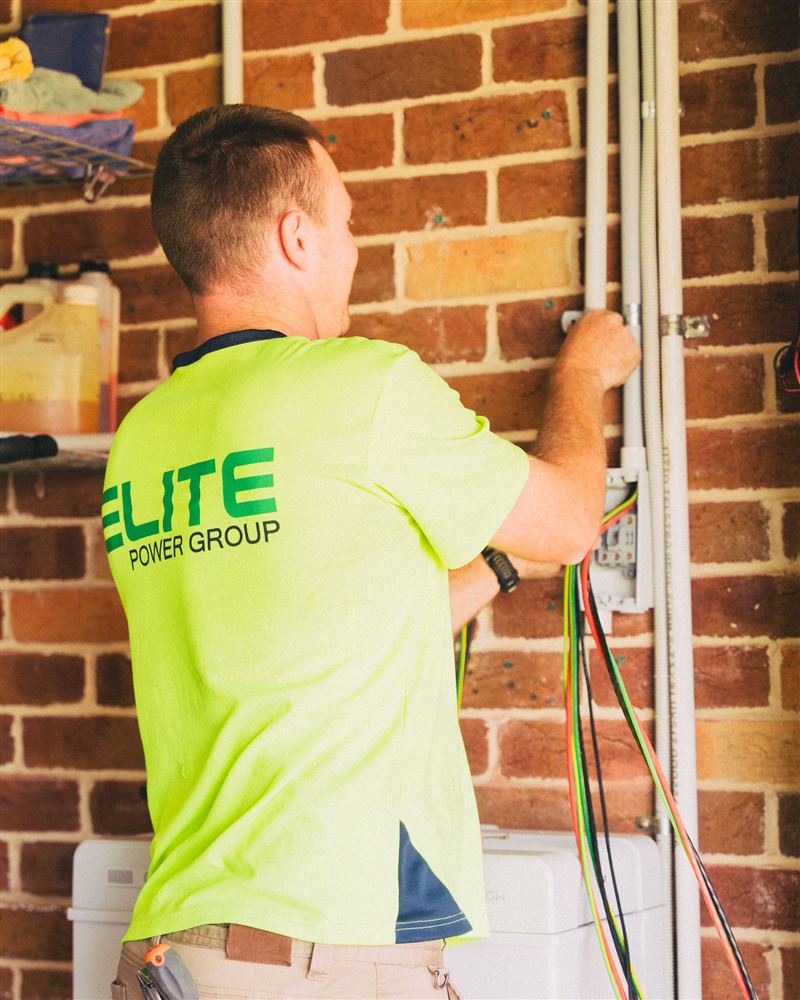
Whether you are vetting a quote or watching a project unfold, knowing the sequence of steps a qualified electrician should follow during a standby generator installation helps you spot a thorough job from a rushed one. This checklist walks through what should happen at each stage, so you can ask informed questions rather than simply trusting that everything is being handled correctly.
Why a Structured Process Matters
Standby generator installation touches life-safety systems: backfeed prevention, grounding, and gas or propane connections all carry real consequences if skipped or rushed. A structured, methodical process is not bureaucratic overkill — it is what separates an installation that passes inspection and performs reliably for years from one that creates a safety hazard or fails inspection midway through the project.
Step-by-Step: What a Thorough Electrician Should Do
- Perform a detailed site survey: your electrician should evaluate your existing panel, note its age, amperage, and condition, and assess the physical location for the generator and transfer switch before quoting the job.
- Confirm whether a panel upgrade is needed: this includes checking available breaker space, overall service capacity, and whether your panel brand or age raises any red flags that should be addressed before adding new equipment.
- Calculate the correct generator size with you: a good electrician walks through your household’s running and starting wattage needs rather than defaulting to a generic recommendation based only on square footage.
- Verify fuel supply capacity: for natural gas, this means confirming with the utility that your meter and line can supply enough gas volume; for propane, it means correctly sizing the tank for your generator’s consumption rate.
- Pull the required permits: your electrician (or the general contractor managing the project) should handle electrical permits, and coordinate with a licensed gas fitter or plumber for any required mechanical or gas permits.
- Install the generator pad and unit at a code-compliant location: this should account for manufacturer clearance specifications, local zoning setbacks, and any HOA placement requirements simultaneously.
- Run and terminate the electrical wiring correctly: this includes proper conduit sizing, correct wire gauge for the generator’s amperage output, and secure, code-compliant terminations at both the generator and the panel.
- Install and wire the automatic transfer switch: the switch should be properly sized for your generator’s output and correctly configured to fully isolate your home from the utility line during generator operation.
- Verify grounding and bonding: your electrician should confirm the generator and transfer switch are properly grounded according to code, not just electrically connected.
- Start up and load-test the system: this includes starting the generator, simulating a power outage to confirm the transfer switch cycles correctly, and verifying stable voltage and frequency under load.
- Schedule and pass the final inspection: the local building or electrical inspector should review the completed work before it is put into permanent, legal service.
- Walk you through operation and maintenance: a thorough electrician explains the weekly self-test schedule, the manual shutoff location, and basic maintenance expectations before considering the job finished.
Questions to Ask Before Work Begins
Beyond watching for these steps as the project unfolds, it is worth asking your electrician directly, before signing a contract:
- Who is pulling each required permit, and is that cost included in the quote?
- How was my generator size calculated, and can I see the wattage breakdown?
- Does my panel need any upgrade or modification before this can proceed?
- Who is performing the gas or propane line work, and are they separately licensed for that trade?
- What does the warranty cover, and is it backed by your company or only by the generator manufacturer?
A contractor who answers these clearly and specifically is generally more trustworthy than one who gives vague reassurances without detail.
Red Flags That Suggest Steps Are Being Skipped
Watch for these warning signs during the process:
- A quote that never mentions permits or suggests skipping them to save time
- No mention of a load calculation, or a generator size recommended purely by home square footage
- Reluctance to specify who is performing the gas or propane connection
- No final startup test or load simulation before the crew leaves
- No walkthrough of maintenance and self-test procedures at project completion
Any of these can indicate a rushed job that may pass initially but create problems down the line, either during inspection or when the system is actually needed during an outage.
Note: exact permitting steps, inspection requirements, and utility coordination processes vary by jurisdiction. Use this checklist as a general framework and confirm the specific requirements for your area with your local building department.
Key Takeaways
- A thorough generator installation follows a predictable sequence: survey, sizing, permitting, installation, testing, and inspection.
- Panel condition and fuel supply capacity should be verified early, not discovered as a surprise mid-project.
- The automatic transfer switch installation and grounding verification are among the most safety-critical steps to confirm.
- A proper startup test simulates an actual power outage to confirm the whole system works together, not just that it powers on.
- Vague answers about permitting or licensing on the gas and electrical work are a warning sign worth taking seriously.
Frequently Asked Questions
Should I be present during the installation to verify these steps?
You do not need to be present for every step, but it is reasonable to ask for updates at key milestones, particularly the final startup test and inspection, since these confirm the system actually functions as intended.
What if my electrician skips the load calculation step?
Ask directly how the generator size was determined. A reputable installer should be able to explain the reasoning, even if it is based on their own experience with similar homes rather than a formal written calculation.
Is a written contract necessary for all of this?
Yes. A written contract clarifying scope, permitting responsibility, and warranty terms protects both you and the contractor, and is standard practice for a project of this cost and complexity.
Can I request to see the permit documentation myself?
Yes, and it is a reasonable request. Most building departments also allow you to look up permit status online or by phone using your address, which is a good way to independently confirm a permit was actually filed.
What should happen if the final inspection fails?
The inspector documents what needs correction, your electrician fixes the issue, and a re-inspection is scheduled. This is a normal part of the process and should be included in your contractor’s responsibility, not billed to you as extra work in most cases.