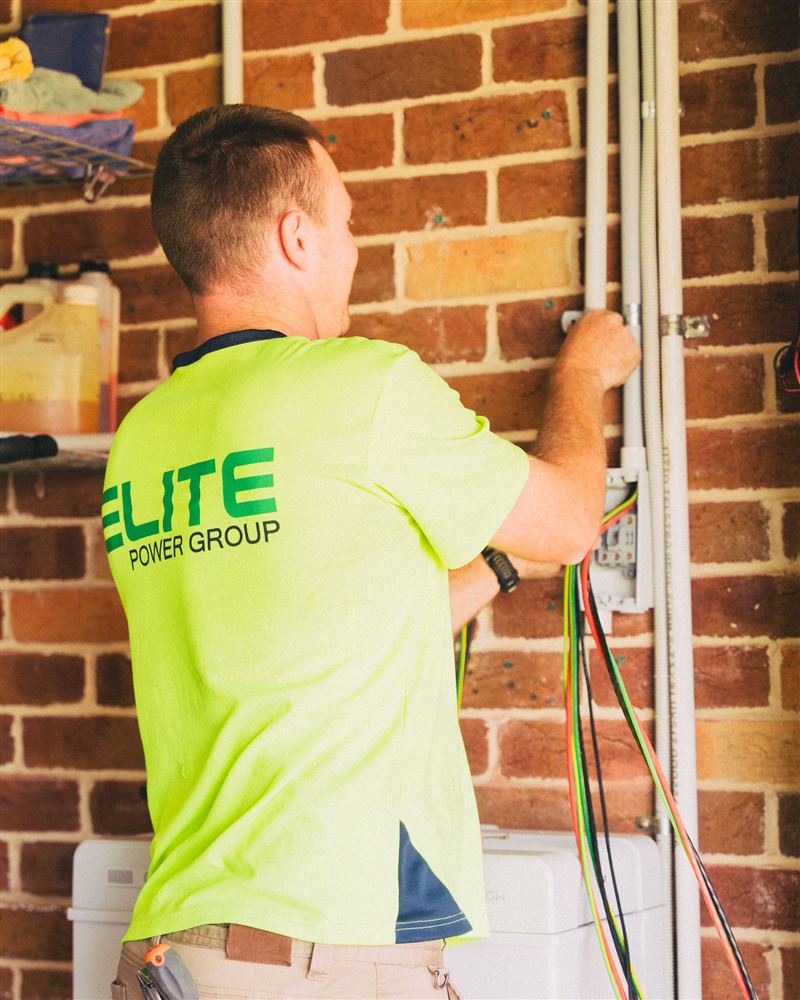
Installing a whole-house standby generator is not a weekend DIY project — it is a coordinated process involving a site survey, a gas or propane hookup, a dedicated electrical connection, local permits, and a final inspection. Understanding each step before you call an electrician helps you ask better questions, compare quotes accurately, and avoid the delays that catch most first-time buyers off guard.
What Happens Before Installation Day
Every legitimate installation starts with a site evaluation, either in person or over a video call with photos. A qualified installer will look at your electrical panel, the location of your gas meter or propane tank, local setback requirements, and the layout of your yard or exterior wall space. This visit determines the generator size you need, where the unit will physically sit, and whether any electrical panel upgrades are required before installation can begin.
During this stage, the installer also identifies whether you need a full house generator sized to run everything at once, or a smaller unit paired with a load management device that prioritizes essential circuits. This decision has a major impact on both the equipment cost and the complexity of the electrical work.
Permits and Utility Coordination
Most jurisdictions require an electrical permit, and many also require a separate mechanical or gas permit for the fuel line. Your installer typically handles this paperwork, but it is worth confirming who is responsible before signing a contract, since permit fees are sometimes billed separately. If you use natural gas, the utility company may need to verify that your meter can supply enough gas volume for the new generator, and in some cases the gas line itself needs to be upsized.
Note: permit requirements, fees, and inspection timelines vary significantly by city and county. Always confirm current requirements with your local building department rather than relying on a generic estimate.
The Physical Installation Process
Step-by-Step Installation Process
- Site preparation: the crew pours or sets a concrete or composite pad at the required distance from windows, doors, and property lines.
- Generator placement: the unit is set on the pad and leveled, oriented so the exhaust and service access meet code and manufacturer specifications.
- Gas or propane hookup: a licensed plumber or gas fitter runs and pressure-tests the fuel line from the meter or tank to the generator.
- Electrical wiring: an electrician runs conduit from the generator to the automatic transfer switch and connects the control wiring.
- Transfer switch installation: the automatic transfer switch is mounted near your main electrical panel and wired to detect utility power loss.
- Panel connection: the transfer switch is tied into your electrical panel, either for whole-house coverage or a selected set of essential circuits.
- Startup and testing: the technician starts the generator, simulates a power outage, and confirms the transfer switch cycles correctly.
- Final inspection: the local building or electrical inspector reviews the installation before it can be legally put into permanent service.
- Homeowner walkthrough: the installer explains the weekly self-test schedule, manual shutoff location, and basic maintenance expectations.
How Long the Process Actually Takes
The physical installation itself typically takes one to two days for a straightforward site, but the full timeline from signed contract to final inspection often runs two to six weeks once you factor in permit approval, equipment availability, and inspector scheduling. Rural properties without existing natural gas service, or homes that need a panel upgrade, tend to fall on the longer end of that range.
Choosing Between an Electrician and a Full-Service Installer
Some homeowners hire a general contractor who subcontracts the electrical and gas work, while others go directly through a generator dealer’s in-house installation team. Both approaches can work well, but it is worth confirming that whoever pulls the permit is licensed for the specific trade involved (electrical, and gas/plumbing where applicable), and that the company will be the one standing behind the warranty labor, not just the manufacturer’s parts warranty.
Key Takeaways
- Installation involves three coordinated trades: electrical, gas/propane, and often concrete or site work.
- A site survey determines generator size, placement, and whether a panel upgrade is needed.
- Permits and inspections are mandatory in nearly every jurisdiction — factor them into your timeline, not just the installer’s calendar.
- The physical install usually takes one to two days, but the full process from contract to inspection can take several weeks.
- Confirm who is licensed for each part of the job before you sign a contract, not after.
Frequently Asked Questions
Do I need an electrician, a plumber, and a contractor separately?
Not necessarily. Many standby generator dealers manage the entire project and subcontract the gas or plumbing work internally, so you sign one contract but the licensed trades still perform their respective portions of the job.
Can installation happen faster if I pay a rush fee?
Equipment availability and inspector scheduling are usually the real bottlenecks, not labor. Paying extra can sometimes move you up an installer’s internal queue, but it rarely speeds up permit approval or inspection wait times set by your local government.
What happens if the inspection fails?
The inspector will document what needs to be corrected, the installer fixes the issue, and a re-inspection is scheduled. This is a normal part of the process and does not necessarily reflect poor workmanship — it is more common on first-time gas line installations than on repeat sites.
Is a permit really necessary if I am replacing an old generator with a new one?
In most jurisdictions, yes. Even a like-for-like replacement typically requires a new electrical permit because the equipment and connections are being altered, though some areas do allow simplified permitting for direct replacements. Confirm with your local building department before assuming otherwise.