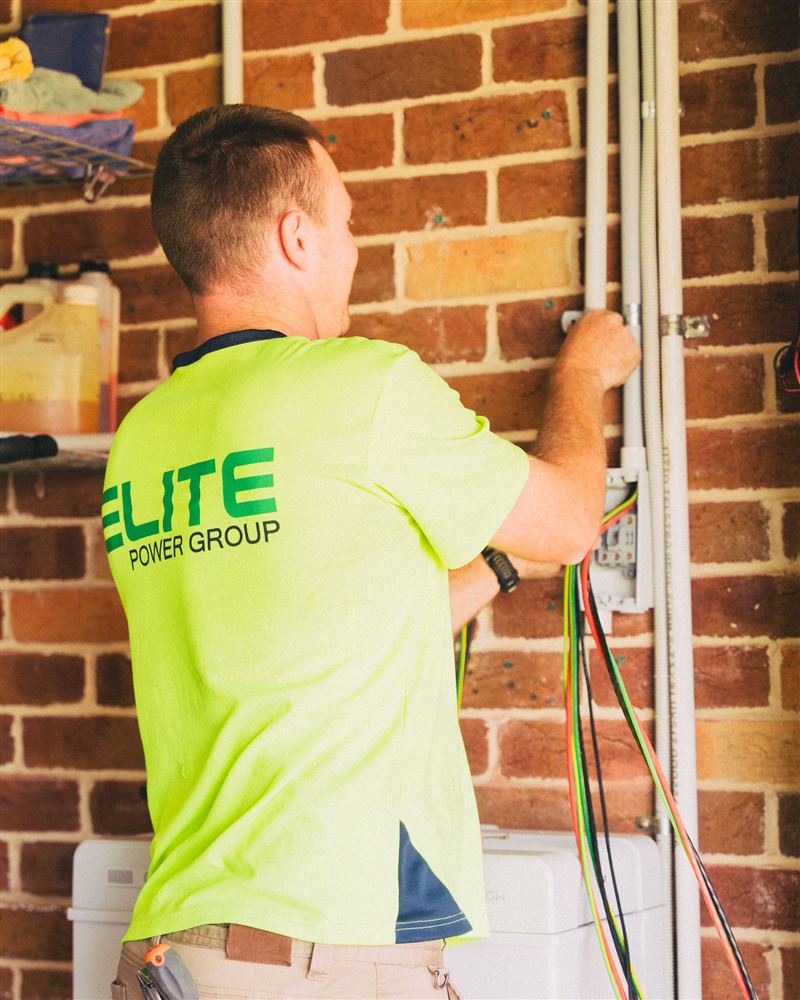
Homeowners with strong DIY instincts often ask whether they can install a whole-house standby generator themselves rather than paying for professional installation. The honest answer is nuanced: some preparatory work is reasonable to do yourself, but the core electrical and gas connections are, in most jurisdictions, either legally restricted to licensed professionals or so genuinely dangerous to get wrong that doing them yourself is a poor tradeoff even where it is technically permitted.
What Homeowners Can Usually Do Themselves
Certain parts of a generator installation project do not require a specific trade license in most areas, though local rules vary and you should still confirm requirements before starting:
- Clearing and grading the installation site
- Purchasing and placing a prefabricated composite equipment pad, in areas that do not require a poured concrete pad by code
- Basic landscaping or screening around the unit for HOA aesthetic requirements
- Researching and comparing generator models, sizes, and installer quotes
- Scheduling the utility company’s gas capacity assessment, in some cases
These tasks reduce the labor a professional installer needs to bill for, without touching the parts of the project that carry the most legal and safety risk.
What Almost Always Requires a Licensed Professional
The electrical connection from the generator to the automatic transfer switch and into your main panel is, in the overwhelming majority of jurisdictions, restricted to licensed electricians, both because of local licensing law and because most jurisdictions will not issue or approve the required electrical permit for work performed by an unlicensed person on this type of connection. Similarly, the gas or propane fuel line connection typically requires a licensed plumber or gas fitter, since gas work has its own permitting and inspection requirements independent of the electrical work.
Attempting either of these connections without the appropriate license is not just a safety concern; it is very likely to result in a failed or rejected permit application, meaning the work cannot be legally used even if it functions correctly. Insurance carriers may also deny claims related to unpermitted electrical or gas work performed by an unlicensed individual.
Why the Electrical Connection Is Especially Risky to DIY
The transfer switch and main panel connection is where the most serious safety hazard in this entire project lives: backfeed. If a generator is connected incorrectly, without a proper transfer switch fully isolating the home from the utility grid, it is possible for generator power to flow backward through the meter and onto utility lines, creating a potentially lethal hazard for any utility worker who assumes those lines are dead during a power outage. This is precisely the scenario licensed installation and code enforcement exist to prevent, and it is not something that can be safely improvised by following an online video, however well-intentioned.
Incorrect grounding, undersized wiring, or an improperly rated transfer switch can also create fire hazards inside the home that may not become apparent until the generator is put under real load during an actual outage.
Why the Gas Connection Carries Its Own Risks
A poorly sealed or improperly sized gas line connection can leak fuel, creating both an explosion risk and a longer-term carbon monoxide hazard if combustion is affected. Licensed gas fitters pressure-test new lines specifically to catch leaks before the system is put into service, a step that is difficult for an untrained person to perform reliably with consumer-grade tools.
The Permitting Reality Even If You Are Skilled
Some homeowners are, in fact, capable electricians or have relevant trade experience, and may feel confident performing the work correctly. Even in that case, many jurisdictions still require the permit to be pulled by a licensed contractor for certain categories of work, or require the homeowner to demonstrate qualification through a formal permitting process rather than simply doing the work informally. This is a legal and administrative constraint separate from actual technical skill, and it varies significantly by location, so it is worth a direct conversation with your local building department before assuming your own experience is sufficient grounds to self-install.
Note: rules on homeowner self-installation of electrical and gas work vary by state, city, and county. Confirm current requirements directly with your local building department before attempting any part of this project yourself.
A More Realistic Middle Ground
Many homeowners who want to be hands-on end up handling the research, site prep, and vendor selection themselves, while hiring licensed electricians and gas fitters for the connection work specifically. This approach captures much of the cost savings and control of a DIY approach while keeping the highest-risk, most heavily regulated parts of the job in the hands of professionals who can pull the necessary permits and stand behind the work.
Key Takeaways
- Site preparation and equipment research are reasonable DIY tasks in most areas, but always confirm local rules first.
- The electrical connection to your main panel almost always requires a licensed electrician and a permit.
- The gas or propane line connection almost always requires a licensed plumber or gas fitter.
- Backfeed from an improperly connected generator can be lethal to utility workers, which is why licensed transfer switch installation is not optional.
- Even skilled homeowners often cannot self-permit this type of work — check with your local building department before assuming otherwise.
Frequently Asked Questions
Is it illegal to install a standby generator myself?
In most jurisdictions, performing the electrical panel connection and gas line work yourself is either restricted by licensing law or will prevent you from obtaining the required permit, even if the physical work itself is not explicitly criminalized. Rules vary by location, so check with your local building department.
What if I am a licensed electrician doing work on my own home?
If you hold the relevant license, you may be able to perform and permit the electrical portion of the work yourself in some jurisdictions, though you would still typically need a licensed gas fitter for the fuel line unless you also hold that license. Confirm with your local licensing authority.
Can I save money by doing the site prep myself?
Yes, this is one of the more realistic ways to reduce total project cost without touching the licensed portions of the work, since labor for grading, pad placement, and minor landscaping is often billed separately from the electrical and gas trades.
What happens if I get caught doing unpermitted electrical work?
Consequences vary by jurisdiction but can include fines, a stop-work order, a requirement to have the work inspected and potentially redone by a licensed contractor, and complications when selling the home if the work is later discovered.
Will my homeowner’s insurance cover damage from a DIY-installed generator?
This depends on your policy and the circumstances, but insurers may deny claims tied to unpermitted or improperly performed electrical or gas work, which is a significant financial risk on top of the physical safety concerns.