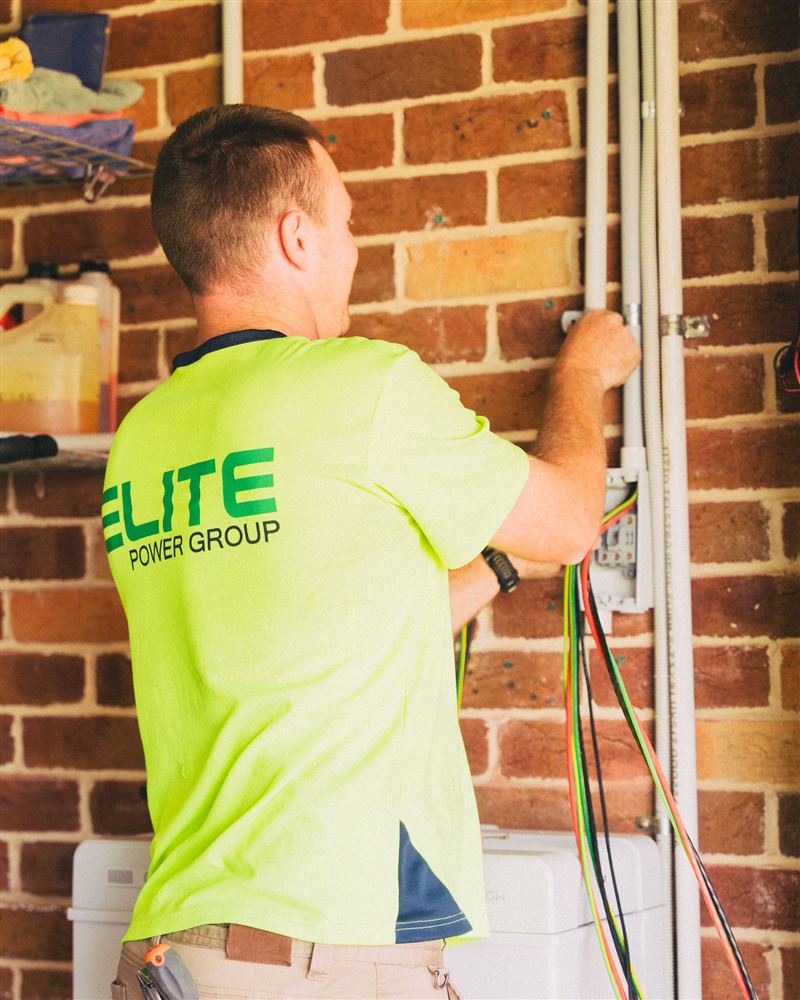
Homeowners are often surprised to learn that the physical work of installing a standby generator, the part where crews are actually on-site running conduit and pouring a pad, is usually the shortest part of the entire process. The bulk of the timeline lives in permitting, equipment availability, and inspection scheduling — steps that happen before and after the visible installation work.
The Physical Installation Itself
For a straightforward site with an accessible electrical panel and existing gas service, the hands-on installation work, including pad preparation, generator placement, electrical wiring, and the gas or propane hookup, typically takes one to two days. More complex sites, such as those requiring a panel upgrade, a new gas line run from a distant meter, or unusual terrain, can extend the physical work to three or more days. This is the fastest-moving part of the project because it depends mostly on crew scheduling rather than external approvals.
Why the Full Timeline Runs Much Longer
Getting a Quote and Signing a Contract
Before any work begins, most homeowners get quotes from multiple installers, which involves scheduling site surveys, waiting for proposals, and comparing options. This front-end research and decision phase can take anywhere from a few days to several weeks depending on how quickly you move and how many quotes you gather.
Permit Application and Approval
Once a contract is signed, the installer typically files for the necessary electrical and gas or mechanical permits. Approval timelines vary enormously by jurisdiction, from same-day approval in some areas to several weeks in busier building departments, particularly during peak seasons when many homeowners are applying for permits ahead of hurricane season or winter storms.
Equipment Availability
Generator models, especially larger or less common configurations, are not always in stock and ready to ship immediately. Supply can tighten notably after major storm events, when regional demand spikes and manufacturers and distributors work through backlogs. Ordering well ahead of your region’s high-risk season, rather than waiting until a storm is forecast, generally results in a faster equipment turnaround.
Utility Coordination
If you are installing a natural gas generator, the utility company may need to confirm your meter and service line can supply enough gas volume, which sometimes requires a separate utility visit and, in some cases, a line upsizing project before generator installation can even begin. This step is entirely outside your installer’s direct control and depends on the utility’s own scheduling.
Final Inspection Scheduling
After the physical work is complete, a local building or electrical inspector needs to review the installation before it can be legally used. Inspector availability varies by jurisdiction and season, and in some areas, inspections book out for a week or more, especially after a widespread storm drives a regional surge in generator installations.
Note: permit approval times, equipment lead times, and inspection scheduling vary significantly by region and season. Ask your installer for a realistic, area-specific timeline rather than relying on a general estimate.
A Realistic Range for the Full Process
Taking all of these stages together, most straightforward standby generator projects run from about two to six weeks from signed contract to final inspection and sign-off. Projects that require a panel upgrade, a gas line upsizing, HOA approval, or that occur during a regional post-storm demand surge can extend well beyond that range, sometimes running two to three months or longer in the most constrained situations.
What You Can Do to Avoid Delays
- Start the process before storm season, not during it, since demand and lead times spike sharply once severe weather is in the forecast.
- Ask for a panel evaluation early so any required upgrade is identified and quoted before the main project timeline is set.
- Confirm gas capacity with your utility as early as possible if you are going the natural gas route, since this step can be a hidden bottleneck.
- Ask your installer directly about current equipment lead times for the specific model you want, rather than assuming availability.
- Understand your local permitting and inspection timeline by asking your installer or calling the building department directly.
Why Rushing Rarely Helps
It is tempting to look for ways to speed up the process, especially once a storm season is underway, but most of the real bottlenecks — permit approval, utility scheduling, and inspector availability — are set by third parties outside your installer’s control. Paying a rush fee can sometimes move you up an installer’s internal work queue, but it typically cannot compress government processing times or manufacturer shipping schedules.
Key Takeaways
- The physical installation itself usually takes one to two days for a straightforward site.
- The full process from signed contract to final inspection typically runs two to six weeks, and sometimes longer.
- Permits, equipment availability, utility coordination, and inspection scheduling are the biggest drivers of overall timeline, not the labor itself.
- Starting the process before peak storm season helps avoid the demand-driven delays that follow major weather events.
- Ask your installer for a realistic, region-specific timeline rather than assuming a national average applies to you.
Frequently Asked Questions
Can I speed up my installation by paying more?
You may be able to move up in an installer’s internal scheduling queue, but permit approval and inspection timelines set by your local government are generally outside any installer’s control, regardless of what you pay.
Why does equipment availability change so much throughout the year?
Demand for standby generators spikes sharply after major storms and ahead of forecasted severe weather, which can strain manufacturer and distributor inventory for weeks or months afterward, particularly for the most popular model sizes.
Does a panel upgrade always add significant time to the project?
It can, since a panel upgrade is typically a separate scope of electrical work with its own permit and inspection, sometimes requiring utility coordination for a service change as well. Ask your electrician for a specific estimate based on your situation.
How far in advance should I start the process before hurricane or winter storm season?
There is no universal answer, but starting several months ahead of your region’s high-risk season generally gives you more flexibility on equipment selection and installer scheduling than waiting until severe weather is already being forecast.
What causes most installation delays that homeowners don’t anticipate?
Permit processing times, utility gas-capacity verification, and inspector scheduling are the most common sources of unexpected delay, since these steps are controlled by local government and utility companies rather than the installation crew.