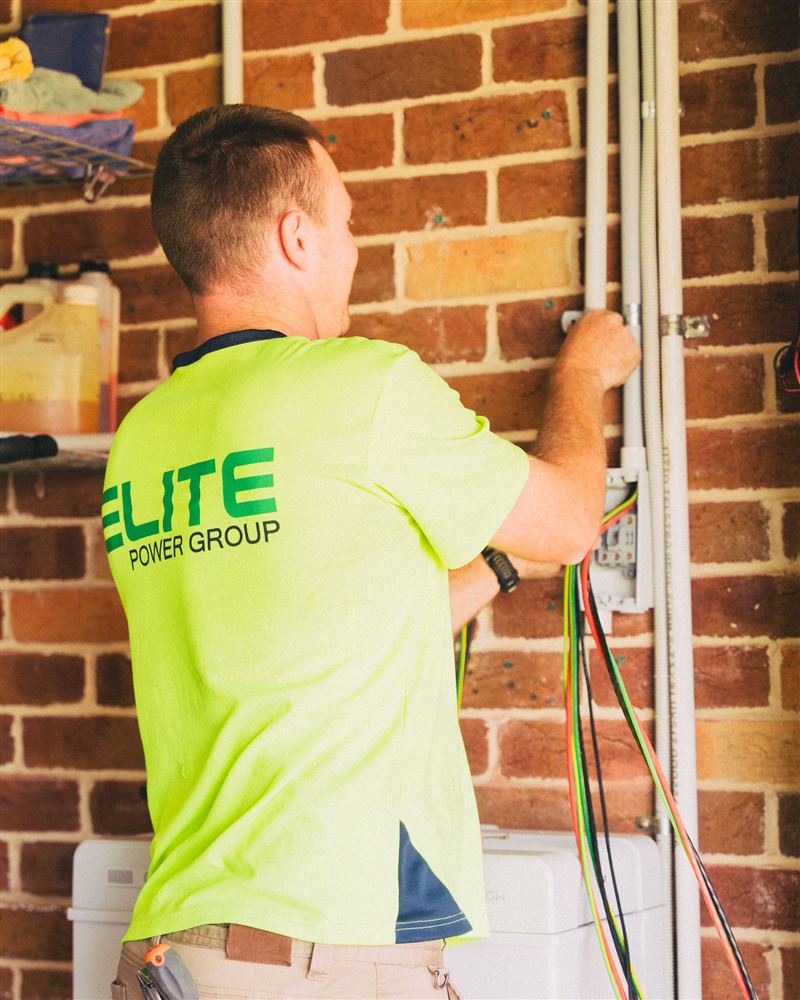
If you are planning to install a whole-house standby generator, the short answer is yes: nearly every jurisdiction in the United States requires at least one permit before the unit can be legally connected to your home’s electrical system. What trips people up is not whether a permit is needed, but which permits, who is responsible for pulling them, and what happens during the inspection that follows.
Why Permits Are Required for Standby Generators
A standby generator is not a plug-in appliance. It involves a permanent electrical connection to your home’s panel, an automatic transfer switch that can isolate your house from the utility grid, and in most cases a fuel line running from a natural gas meter or propane tank. Each of these elements touches life-safety systems: improper wiring can create a fire or shock hazard, and an incorrectly installed transfer switch can cause dangerous backfeed onto utility lines, putting utility workers at risk during an outage. Local building departments require permits and inspections specifically to catch these issues before the system is put into permanent use.
Which Permits Typically Apply
Most installations require some combination of the following, though exact naming and bundling varies by city and county:
- Electrical permit — covers the wiring from the generator to the transfer switch and into the main panel.
- Mechanical or gas permit — required when a new or modified fuel line is run from a natural gas meter or propane tank to the unit.
- Building or zoning permit — sometimes required separately to confirm the concrete pad and generator placement meet setback rules.
Some jurisdictions combine these into a single “generator installation permit,” while others require each trade to pull its own paperwork. There is no nationwide standard, which is exactly why you should not assume your city works the way a neighboring one does.
Note: permit names, fees, and required documentation vary significantly by city and county. Always confirm the current requirements directly with your local building department before signing a contract.
Who Is Responsible for Pulling the Permit
In most cases, the licensed contractor performing the electrical or gas work pulls the permit under their own license, not the homeowner. This matters for two reasons. First, if a permit is pulled under a contractor’s license, that contractor is generally accountable for correcting anything an inspector flags. Second, some jurisdictions restrict homeowners from pulling electrical permits themselves even for work on their own property, particularly for anything connected to the main service panel.
Before signing a contract, ask directly: “Who is pulling the permit, and is that cost included in my quote?” Reputable installers handle this routinely and should be able to answer without hesitation. If a contractor suggests skipping the permit to save time or money, treat that as a warning sign rather than a convenience.
What Happens If You Skip the Permit
Installing a standby generator without a permit creates risk on several fronts. If an unpermitted installation causes a fire, electrical fault, or carbon monoxide incident, your homeowner’s insurance may deny a claim tied to that system. Unpermitted electrical work can also surface during a home sale, when a buyer’s inspector or the local government flags it, sometimes requiring the work to be opened up and re-inspected retroactively, at greater cost and inconvenience than doing it right the first time. Some jurisdictions also issue fines for unpermitted work discovered after the fact.
There is also a more basic reason to pull permits: the inspection is a genuine safety check, not just paperwork. Gas line pressure tests, grounding verification, and transfer switch function tests catch real problems, including issues that even experienced installers occasionally get wrong on a nonstandard site.
What the Inspection Process Looks Like
Once the physical work is complete, the contractor schedules an inspection with the local building or electrical department. An inspector typically checks the wiring connections at the panel and transfer switch, confirms proper grounding and bonding, verifies the gas line has passed a pressure test if applicable, and confirms the generator’s placement meets setback and clearance requirements. If everything passes, the installation is approved and can be put into permanent use. If not, the inspector documents what needs correction, and a re-inspection is scheduled once the contractor makes the fix. This is a normal part of the process, not a sign that something has gone badly wrong.
Replacing an Old Generator: Do You Still Need a New Permit?
This is one of the most common points of confusion. Even a direct, like-for-like replacement of an existing standby generator typically requires a new electrical permit, because the equipment and its connections are being altered or reinstalled. Some jurisdictions offer a simplified permitting path for straight replacements, but you should not assume this applies to your area without checking. Calling your local building department before scheduling the swap can save you from having to stop mid-project to file paperwork.
Key Takeaways
- Standby generator installations almost always require an electrical permit, and often a separate mechanical or gas permit for the fuel line.
- Permit requirements, fees, and processes vary by city and county — there is no single national standard.
- The licensed contractor typically pulls the permit under their own license, not the homeowner.
- Skipping the permit can jeopardize insurance claims and create problems when you sell your home.
- Even like-for-like generator replacements usually require a new permit — confirm with your local building department.
Frequently Asked Questions
Can I pull the permit myself instead of the contractor?
In some jurisdictions homeowners can pull permits for work on their own property, but many restrict this for service-panel-connected electrical work. Ask your local building department and your contractor directly, since the answer varies by location.
How much does a generator installation permit cost?
Permit fees vary widely by jurisdiction and are often based on the value of the work or a flat fee schedule set by the local government. Check with your building department for current fee amounts rather than relying on an estimate from another region.
How long does it take to get a permit approved?
Timelines range from same-day approval in some jurisdictions to several weeks in others, especially in busy building departments or during peak storm-preparedness seasons. Your installer can typically give you a realistic estimate based on local experience.
Does the utility company also need to approve the installation?
Often yes, particularly for natural gas installations where the utility verifies your meter can supply enough gas volume, and for any setup where backfeed protection needs to be confirmed. This is typically coordinated by your installer as part of the project.
What if my HOA also requires approval?
An HOA approval is separate from a government permit and does not replace it. You may need both an HOA sign-off on placement and appearance, and a municipal permit for the electrical and gas work itself.