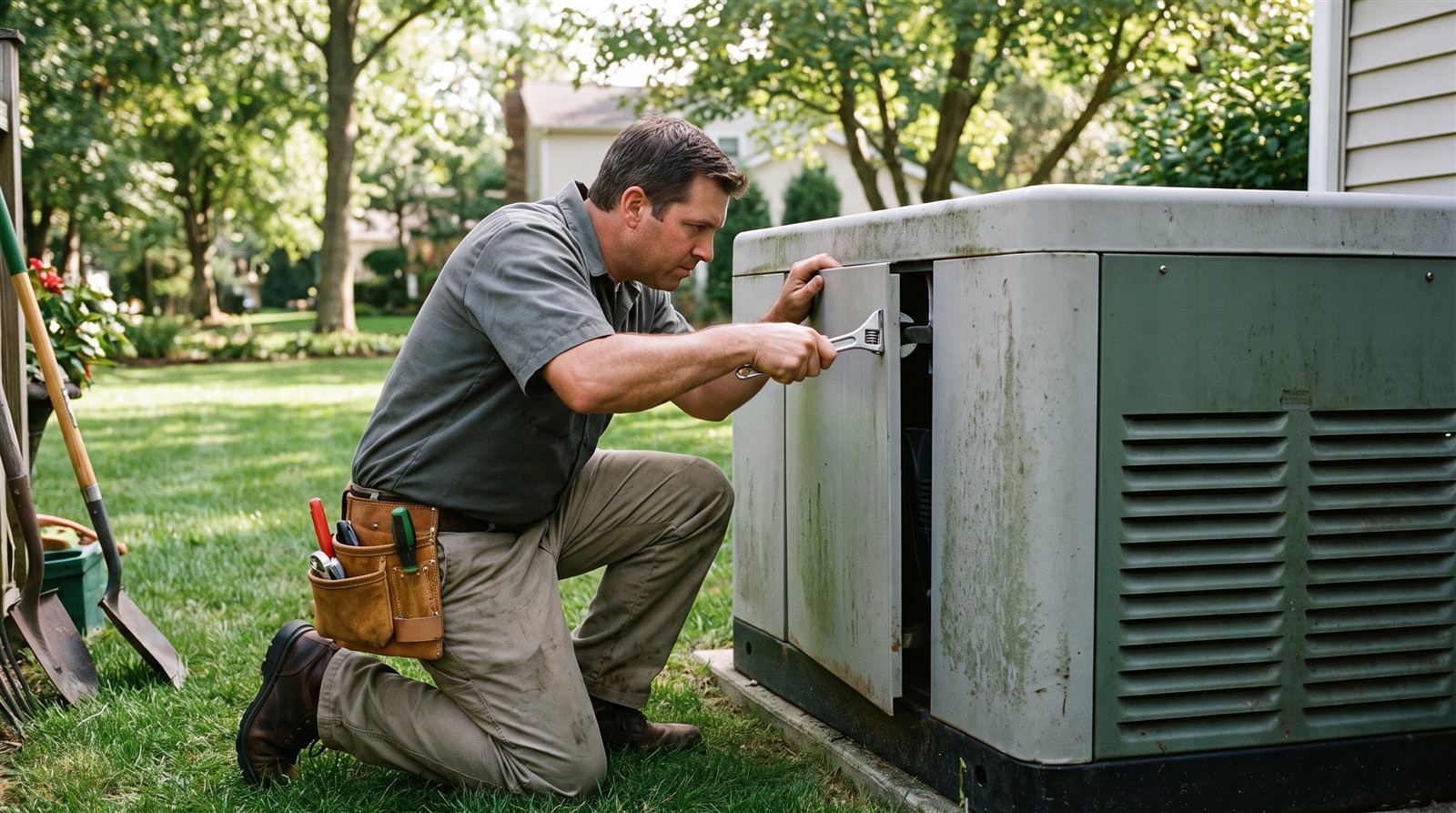
A whole-house standby generator is a significant investment, and like most mechanical equipment, how long it lasts depends heavily on how it’s treated between the moments it’s actually needed. While no generator lasts forever, and eventual major component replacement is a normal part of long-term ownership, a handful of consistent habits make a real difference in whether a unit reaches the upper end of its realistic service life or needs major repairs well ahead of schedule.
Consistency Beats Intensity
The single biggest factor in generator longevity isn’t any one dramatic action, it’s consistency: keeping up with the weekly self-test, not skipping annual professional service, and addressing small issues when they’re small rather than letting them accumulate. A generator that receives steady, unglamorous upkeep year after year will almost always outlast one that gets occasional intensive attention followed by long stretches of neglect, even if the total maintenance hours end up similar on paper.
Don’t Let the Self-Test Become an Afterthought
It’s easy to tune out the weekly self-test once it becomes routine background noise, but that short cycle is doing real work: circulating oil, exercising the battery, and giving the control system a chance to flag developing issues. Periodically confirming it’s actually happening, rather than assuming it is because you haven’t heard otherwise, catches problems while they’re still minor. A battery that’s slowly weakening, for example, is far cheaper and easier to address when caught early than after it fails to start the generator during an actual outage.
Protect the Battery Specifically
The starting battery is one of the more common points of failure in standby generators, and its lifespan is heavily influenced by temperature extremes, charging system health, and how consistently it’s exercised. Extreme heat and extreme cold both shorten battery life faster than moderate climates, which is part of why cold-climate cold-weather kits and, in some very hot regions, battery placement considerations matter. Having the battery’s charge and condition checked at each annual service visit, rather than waiting for it to fail outright, is one of the more cost-effective ways to avoid a no-start situation.
Keep the Installation Site Clear and Accessible
Vegetation, debris, and accumulated yard waste around the generator do more than look untidy; they can restrict airflow, provide a nesting spot for pests that damage wiring or components, and make routine inspection harder for both you and your technician. Keeping the manufacturer-specified clearance area clear of plants, mulch buildup, stored items, and debris is a simple habit that protects the unit and also keeps it easier to service quickly when needed.
Address Fuel System Issues Promptly
Fuel quality and supply issues, from a propane tank running low to water intrusion in a fuel line, put unnecessary strain on the engine and fuel delivery components. Keeping propane tanks at a reasonable level rather than routinely running them close to empty, and having any fuel-related fault code addressed promptly rather than dismissed, protects components that are more expensive to repair than to maintain properly in the first place.
Don’t Skip the Annual Load-Bank Test
The annual load-bank test, where a technician verifies the generator can actually carry a significant electrical load rather than just starting and idling, is one of the most valuable diagnostic tools available for catching problems that a simple unloaded self-test won’t reveal. Skipping this step to save on the cost of an annual visit is a common way small issues go undetected until they surface as a bigger failure, often during an actual outage.
Environmental Protection Matters Too
Because standby generators live outdoors permanently, exposure to sun, rain, salt air in coastal areas, and temperature swings all contribute to gradual wear on the enclosure, wiring, and external components. Manufacturer-approved covers or shelters, where compatible with the model’s ventilation requirements, can help in particularly harsh environments, and coastal homeowners in particular should ask their installer about any additional protective measures recommended for salt air exposure.
Know When Repair Makes More Sense Than Replacement, and Vice Versa
As a generator ages, especially past the point where major components like the engine or control board need significant work, it’s worth having an honest conversation with your service provider about whether continued repair investment makes sense compared to eventual replacement. This isn’t a decision to make preemptively out of caution, but rather one to revisit as your unit approaches the upper end of its expected service life and repair costs start trending upward.
Key Takeaways
- Consistent, steady maintenance over time does more for lifespan than occasional intensive attention followed by neglect.
- Pay attention to whether the weekly self-test is actually happening; it’s your earliest and cheapest warning system.
- Battery health, checked at each annual visit, is one of the most cost-effective things to monitor to avoid a no-start failure.
- Keep the installation site clear of debris and vegetation, and don’t let fuel system issues go unaddressed.
- Don’t skip the annual load-bank test; it catches problems an unloaded self-test simply can’t reveal.
Frequently Asked Questions
How long does a whole-house standby generator typically last?
With consistent maintenance, many standby generators can reasonably be expected to provide well over a decade of reliable residential service, though actual lifespan depends on usage, climate, maintenance consistency, and the specific model. Check your manufacturer’s guidance for model-specific expectations.
Does running the generator more often during outages shorten its lifespan?
Normal operation during outages is exactly what the generator is designed for and isn’t inherently harmful when the unit is properly maintained. What matters more for longevity is whether maintenance keeps pace with total run hours, which is why some manufacturers specify service intervals by run hours in addition to calendar time.
Is it worth paying for a premium maintenance plan from my installer?
Maintenance plans can help ensure service isn’t skipped or delayed, which is genuinely valuable for longevity, but it’s worth comparing what’s actually included against a plan’s cost versus arranging equivalent annual service independently. Ask your installer to detail exactly what’s covered.
Does the climate I live in affect how long my generator will last?
Yes, extreme heat, extreme cold, coastal salt air, and high humidity can all accelerate wear on components like the battery, enclosure, and wiring compared to a moderate climate. Discuss climate-specific protective measures with your installer if you live in a particularly harsh environment.
Should I replace my generator proactively before it fails, or wait until it needs major repair?
This is a judgment call best made with your service provider as the unit ages and approaches the upper end of its expected service life, weighing rising repair costs and component availability against the cost of replacement. There’s no fixed age at which replacement automatically becomes the right choice for every household.