A whole-house standby generator typically costs between $3,000 and $12,000 or more once installation is included, and that price tag sends most homeowners looking for ways to offset the cost. The good news is that meaningful help does exist in the form of state sales tax holidays, utility rebate programs, insurance discounts, financing offers, and in some cases grants for seniors or disabled homeowners. The less convenient truth is that none of these programs are uniform nationwide, and the details change from year to year and utility to utility. This guide is a hub for understanding what categories of savings exist, which regions tend to offer the most support, and how to verify current program details before you budget around them.
Why Generator Incentives Vary So Much by Region
Unlike solar panels or heat pumps, which have had consistent federal tax credit programs in recent years, standby generators are not typically covered by a broad federal incentive. Instead, whatever help is available tends to come from three more localized sources: state governments responding to a specific disaster risk, individual electric utilities running voluntary rebate programs, and insurance companies adjusting premiums based on risk reduction. That means a homeowner in a hurricane-prone coastal county may have access to a state sales tax holiday and hurricane-preparedness grants that a homeowner in a low-risk inland state simply will not find, while a homeowner served by one utility might see a rebate program that a neighbor served by a different utility a few miles away does not qualify for.
Because these programs are so fragmented, the single most useful habit you can build as a shopper is checking primary sources directly — your state’s department of revenue, your utility’s official rebate or energy-efficiency page, and your insurance carrier’s discount schedule — rather than relying on secondhand claims about “the generator rebate” as if one universal program existed.
Hurricane and Storm-Risk States
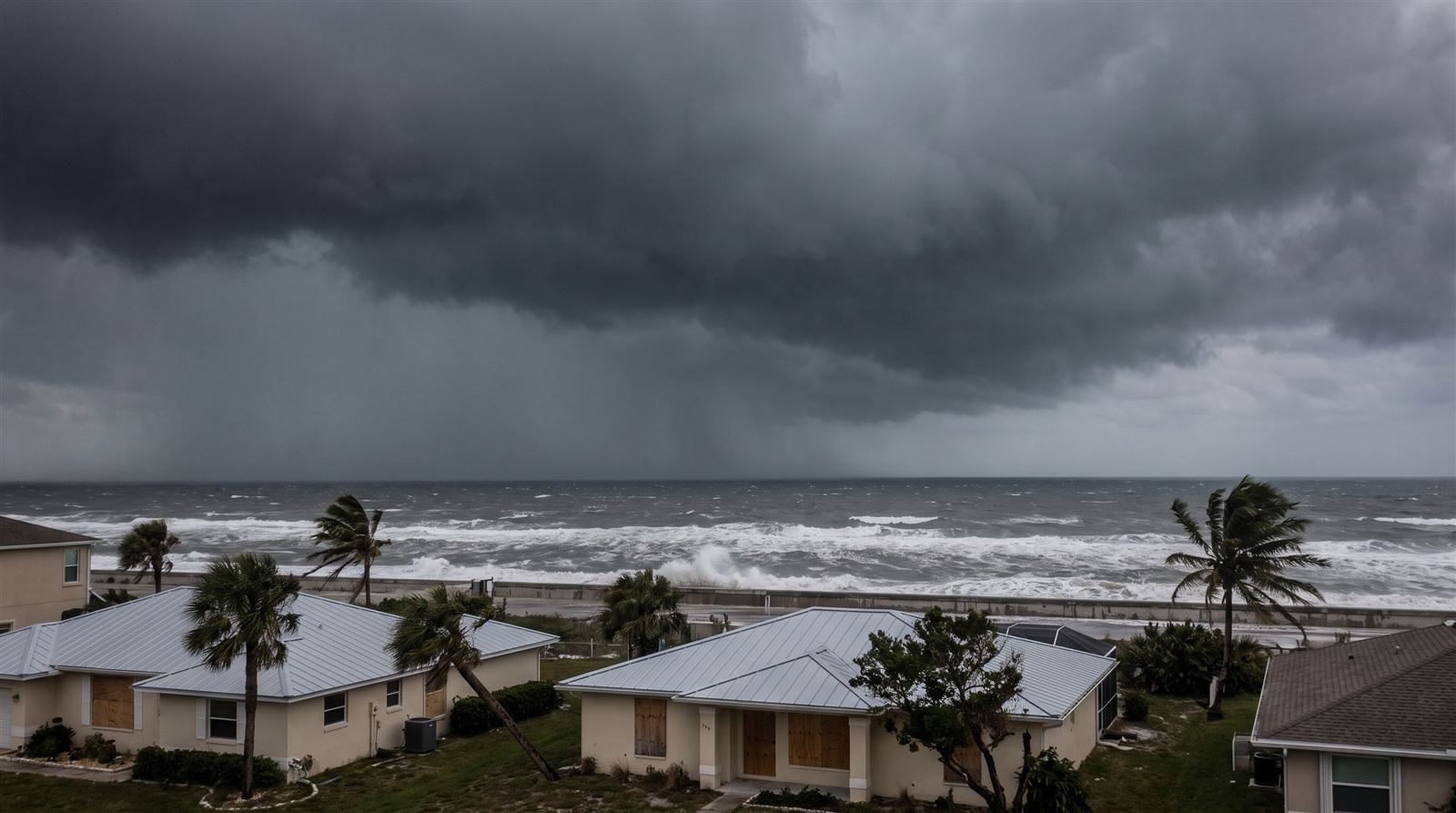
Coastal and Gulf Coast states carry the country’s most consistent disaster-preparedness messaging around backup power, and it shows up in state-level policy more than anywhere else. Florida is the clearest example: the state periodically runs a Disaster Preparedness Sales Tax Holiday that exempts qualifying generators and other storm-prep supplies from sales tax for a limited window, typically announced each spring by the Florida Legislature ahead of hurricane season. Louisiana and other Gulf Coast states share similar hurricane exposure, and while their specific programs differ, the underlying logic is the same: reduce the upfront cost barrier so more households have backup power before a storm hits. If you live in a hurricane-risk state, see our dedicated guides on the Florida sales tax holiday, hurricane season preparation in Florida, and Louisiana and Gulf Coast generator rebates for the specifics that apply to your area.
Wildfire and Public Safety Power Shutoff States
In California, the incentive conversation looks different because the risk is Public Safety Power Shutoffs (PSPS) rather than storm damage. Utilities proactively cut power during high fire-danger conditions to reduce the risk of equipment sparking a wildfire, which means outages in these areas are planned by the utility rather than caused by weather damage to the grid. Some utilities in wildfire-prone service areas have experimented with backup power rebates or battery incentive programs for customers in high-risk zones, but availability changes constantly as utility budgets and wildfire mitigation plans are updated each year. Our guide to California PSPS outages and backup power walks through how to evaluate your actual risk before buying.
Winter Storm and Grid-Failure States
Texas earned a permanent place in the backup power conversation after the February 2021 winter storm known as Uri, when a statewide grid failure left millions of homes without power for days during freezing temperatures. That event reshaped how Texas homeowners think about backup power, though it did not create a single statewide rebate program — support still comes piecemeal from individual utilities and retail electric providers. The broader Northeast and Midwest face a related but distinct risk from ice storms and heavy snow loads that bring down distribution lines, covered in our Northeast ice storm generator guide. In both regions, the incentive story is less about a dramatic state program and more about utilities recognizing that backup power reduces emergency response burden during grid-stress events.
Utility Rebates, Insurance Discounts, and Financing
Outside of the disaster-driven state programs above, three other savings categories apply almost anywhere in the country, regardless of climate risk:
- Utility rebates: some electric utilities and cooperatives offer rebates for generators that support demand response programs or meet certain efficiency criteria, though these are far less common and less generous than solar or HVAC rebates. See our breakdown of which utilities actually offer generator rebates.
- Insurance discounts: many homeowners insurance carriers offer modest discounts for permanently installed standby generators, since they reduce claims related to frozen pipes, spoiled food, and sump pump failures during outages. Coverage rules and discount eligibility are explained in our guides on insurance coverage for generator damage and insurance discounts for standby generators.
- Financing: many dealers and manufacturers offer promotional financing, including 0% APR plans for qualified buyers, which can matter more to your monthly budget than a modest rebate. Our generator financing guide compares how these plans typically work.
Grants, Tax Questions, and Building Codes
A smaller but important category of support targets specific populations and specific situations. Some state and local emergency management agencies, along with nonprofit organizations, offer grants or low-interest loans to help seniors, disabled homeowners, or medically vulnerable residents afford backup power for life-sustaining equipment. Separately, homeowners often ask whether a generator purchase is tax-deductible; the honest answer is that it depends heavily on your specific situation (home office use, a documented medical necessity, or business use), and you should always consult a licensed tax professional rather than assume a deduction applies. Finally, every state and municipality has its own building codes and setback requirements governing where a generator can be installed relative to windows, doors, and property lines, which is a compliance issue separate from any financial incentive. These topics are covered in depth in our guides on generator tax deductions, grants for seniors and disabled homeowners, emergency preparedness programs, and state generator building codes.
How to Actually Find and Verify a Program
Because rebate and incentive programs change yearly and by provider, the research process matters more than memorizing any specific number. Start with your electric utility’s official website and search for “rebate,” “energy efficiency program,” or “demand response.” Then check your state’s official energy office or department of revenue site for any active sales tax exemptions or grant programs. Finally, call your insurance agent directly and ask what documentation they need to apply a generator discount, since this is rarely advertised prominently on a carrier’s public site.
Note: rebate amounts, program names, and eligibility rules change frequently and vary by utility and state. Always confirm current details directly with the issuing agency, utility, or insurer before making a purchase decision based on an expected incentive.
Key Takeaways
- There is no single nationwide generator rebate; support comes from a patchwork of state tax holidays, utility programs, insurance discounts, and financing offers.
- Hurricane-risk states like Florida and Louisiana have the most consistent state-level disaster-preparedness policy attention, though specific program details change yearly.
- California’s PSPS wildfire-prevention shutoffs and the 2021 Texas winter storm Uri are two well-documented events that reshaped regional attitudes toward backup power.
- Utility rebates and insurance discounts are modest but real in many areas — always verify directly with the provider rather than assuming a program exists.
- Grants for seniors and disabled homeowners, and tax questions around deductibility, both require case-by-case verification with the relevant agency or a tax professional.
Frequently Asked Questions
Is there a federal tax credit for whole-house generators?
Standby generators are generally not covered by a broad federal tax credit the way solar panels or certain energy-efficient home upgrades have been in recent years. Any tax benefit you might qualify for is more likely to come from a narrow, situation-specific rule, such as a documented medical necessity or business use, so consult a licensed tax professional or the IRS’s official guidance before assuming a deduction applies.
Which state offers the best generator incentives?
Florida has the most consistent and well-known state-level program aimed specifically at generators, its periodic Disaster Preparedness Sales Tax Holiday. Other states may offer utility-level rebates or insurance-related savings, but there is no single state that offers a comprehensive package covering purchase, installation, and ongoing costs.
Do all homeowners insurance companies offer a generator discount?
No. Discount availability varies significantly by carrier and state, and even where a discount exists it is often modest. Ask your insurance agent directly what documentation is required, since many carriers do not advertise this discount prominently.
How often do rebate programs change?
Utility rebate programs, sales tax holidays, and grant funding levels can all change annually based on budget cycles, legislative action, or utility program redesigns. A program that existed last year is not guaranteed to exist, or to have the same terms, this year, which is why checking the primary source before budgeting is essential.
Should I buy a generator now or wait for a better incentive?
If your home faces a real and immediate outage risk, such as hurricane season approaching or a documented history of grid instability in your area, waiting for a hypothetical future incentive is usually not worth the safety tradeoff. Incentives are worth pursuing when they are available, but they should not be the deciding factor in whether you protect your home against a known risk.