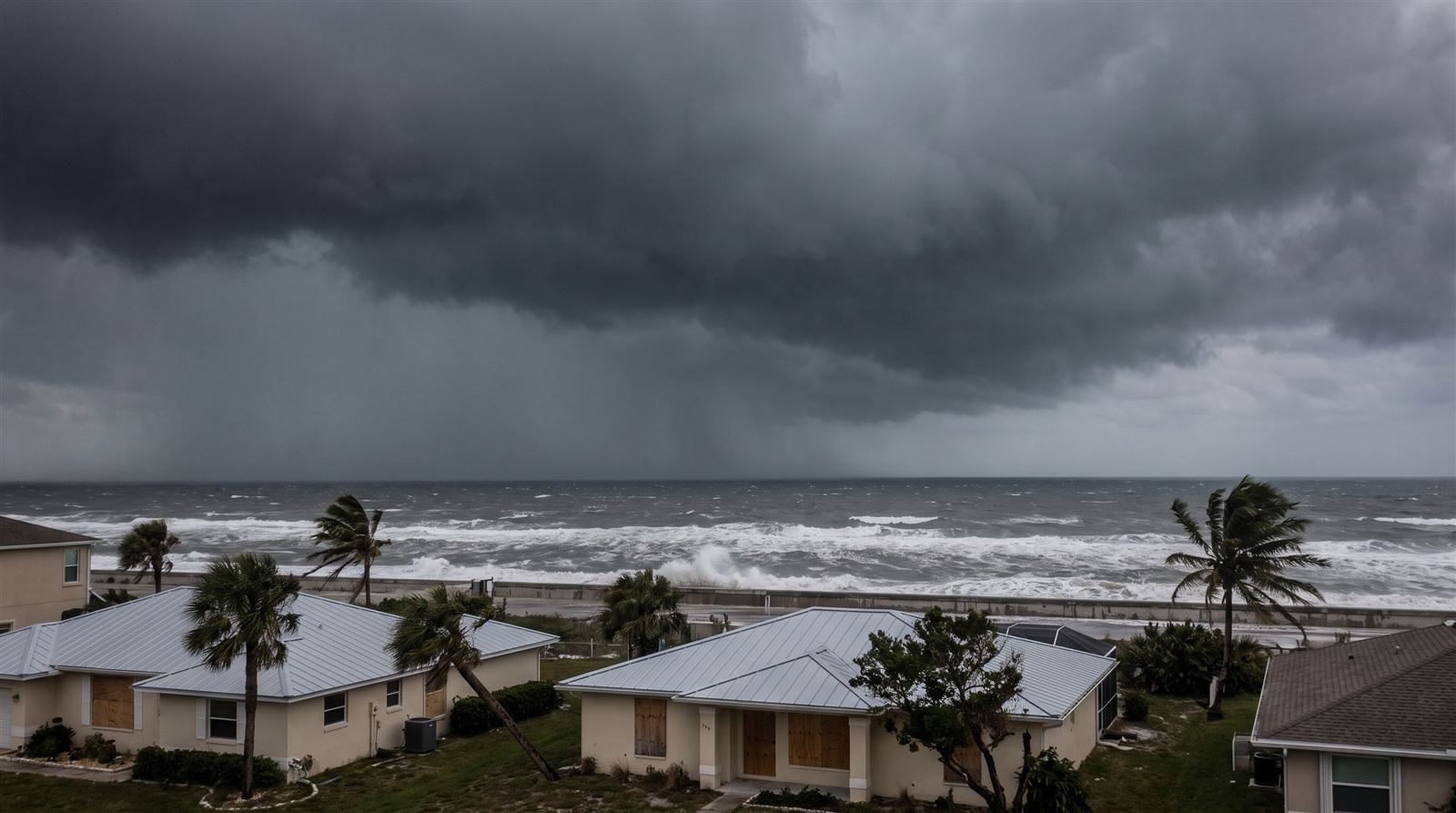
Louisiana and the broader Gulf Coast region face some of the most consistent hurricane risk in the United States, with a hurricane season that regularly brings the threat of extended power outages, storm surge flooding, and in the worst cases, weeks-long utility restoration timelines after a major landfalling storm. For homeowners in this region, backup power is less a discretionary upgrade and more a practical necessity, which naturally raises the question of what financial help is available. This guide covers what to realistically expect from rebates and incentives in the region, alongside the resilience planning that matters most.
Understanding Gulf Coast Hurricane Risk
The Gulf Coast, including Louisiana, Mississippi, Alabama, and the Texas coastline, sits directly in the path of Atlantic and Gulf hurricane tracks, and the region’s flat, low-lying geography in many coastal parishes and counties compounds the risk through storm surge flooding in addition to wind damage. Major hurricanes affecting this region have historically caused extended, multi-week power outages in the hardest-hit areas, since storm surge and high winds can damage both transmission infrastructure and local distribution lines simultaneously across a wide geographic area, straining utility restoration crews and sometimes requiring mutual aid crews from other states to help restore power. This risk profile is a major reason many homeowners across the region prioritize whole-house standby generators over relying solely on portable units purchased in a last-minute rush before a storm.
Realistic Expectations About Rebates in Louisiana
Unlike Florida’s well-known, periodically renewed Disaster Preparedness Sales Tax Holiday, Louisiana does not have an equally prominent, consistently recurring statewide sales tax exemption specifically for generators. This does not mean no assistance ever exists, but it does mean homeowners should not assume a Louisiana equivalent to Florida’s program is automatically available in any given year. Whatever savings opportunities do exist in Louisiana and the broader Gulf Coast tend to come from the same patchwork of sources available elsewhere in the country: individual utility programs, homeowners insurance discounts for permanently installed units, and dealer or manufacturer financing promotions, rather than a single well-publicized state program.
Note: state sales tax rules and any exemptions applicable to disaster preparedness purchases change over time and vary by state. Confirm current Louisiana and Gulf Coast state tax rules directly with your state’s department of revenue rather than assuming a Florida-style holiday applies elsewhere.
Sizing and Fuel Considerations for Gulf Coast Homes
Gulf Coast homes generally need to plan for extended cooling needs given the region’s hot, humid climate for much of the year, meaning air conditioning should be a central consideration in generator sizing alongside refrigeration and other essential circuits. Fuel choice matters significantly in this region because of storm surge and flooding risk: propane tanks need to be installed and secured according to local flood zone requirements, since a tank that becomes dislodged or damaged during a storm surge event creates both a fuel supply problem and a safety hazard. Natural gas offers continuous supply through underground infrastructure that is often more storm-resilient than above-ground electrical lines, though it is not immune to disruption during a major hurricane, particularly if flooding affects gas utility infrastructure. Discuss flood zone-appropriate installation with a licensed local installer familiar with Gulf Coast conditions rather than assuming a standard inland installation approach applies.
Insurance Considerations Specific to the Region
Homeowners insurance in hurricane-prone Gulf Coast states often involves more complex policy structures than in lower-risk regions, sometimes including separate windstorm or named-storm deductibles distinct from your standard deductible. A permanently installed standby generator may still qualify for a modest discount from some carriers, following the same general logic discussed in our guide on homeowners insurance discounts for standby generators, but given the complexity of Gulf Coast windstorm coverage generally, it is especially important to have a direct conversation with your insurance agent about how a generator interacts with your specific policy’s structure, deductibles, and any named-storm provisions.
Financing and Planning Ahead of Hurricane Season
Given the absence of a single prominent statewide incentive program, many Gulf Coast homeowners find that financing plays a larger practical role in affording a whole-house system than waiting for a rebate. Dealer promotional financing, personal loans, and home equity products all function the same way in Louisiana and the Gulf Coast as anywhere else in the country — see our detailed guide on generator financing options for how to evaluate these choices. As with Florida, the most important planning principle is timing: complete your site survey, permitting, and installation well before hurricane season ramps up, since installer availability tightens dramatically once a storm threat is active in the region.
Key Takeaways
- Louisiana and the Gulf Coast face consistent, well-documented hurricane risk, with major storms sometimes causing multi-week power restoration timelines in the hardest-hit areas.
- Louisiana does not have a widely known, consistently recurring statewide sales tax holiday for generators comparable to Florida’s program; confirm current state tax rules directly rather than assuming one exists.
- Size Gulf Coast generators around extended cooling needs, and plan fuel tank placement carefully around flood zone and storm surge risk.
- Gulf Coast homeowners insurance often involves more complex windstorm or named-storm deductible structures, making a direct conversation with your agent about generator coverage especially important.
- Financing is often the more practical path to affording a whole-house system in this region, given the absence of a single prominent state rebate program.
Frequently Asked Questions
Does Louisiana have a generator sales tax holiday like Florida?
Louisiana does not have an equally well-known, consistently recurring statewide sales tax holiday specifically for generators the way Florida does. Confirm current state tax rules and any temporary exemptions directly with Louisiana’s Department of Revenue rather than assuming a similar program exists.
How long can power outages last after a major Gulf Coast hurricane?
Restoration timelines depend heavily on the storm’s severity and how widespread the infrastructure damage is, but major hurricanes affecting the Gulf Coast have historically caused outages lasting from several days to multiple weeks in the hardest-hit areas, particularly where storm surge damages both transmission and distribution infrastructure.
Should I use propane or natural gas for a Gulf Coast generator?
Both can work, but propane tanks need careful attention to flood zone placement and secure anchoring given storm surge risk in coastal areas. Natural gas offers continuous supply through generally more storm-resilient underground infrastructure, though it is not immune to disruption during a major hurricane. Discuss your specific site with a local installer familiar with Gulf Coast flood requirements.
Does my homeowners insurance cover generator damage from a hurricane?
This depends on your specific policy, including any separate windstorm or named-storm deductible common in Gulf Coast coverage. Review our general guide on insurance and generator damage and confirm the specifics of your own policy directly with your insurance agent.
When should I install a generator before hurricane season in this region?
Aim to complete your site survey, permitting, and installation well before hurricane season activity typically increases, since installer schedules and equipment availability tighten significantly once a storm threat becomes active in the Gulf Coast region.