Homeowners searching for the “best states” for off-grid or backup power independence are often hoping for a simple ranked list, but the honest answer is that no single state is universally best, because the factors that matter most (fuel access, climate risk, permitting friction, and property characteristics) trade off against each other differently depending on what you actually need. This guide walks through the real factors that determine how easy or difficult backup power independence is in a given location, so you can evaluate your own state and county rather than relying on a generic ranking.
Fuel Access and Propane Infrastructure
For a standby generator, ongoing fuel access is one of the most important practical factors, and it varies significantly by region. Areas with widespread natural gas utility infrastructure offer homeowners a straightforward, effectively unlimited fuel source for as long as the gas utility itself remains operational. Rural areas without natural gas service instead rely on propane, which requires an on-site tank and periodic delivery, but this can actually be an advantage for independence-minded homeowners, since a well-stocked propane tank does not depend on continuous utility delivery the way natural gas does. States and counties with mature rural propane delivery networks and multiple competing suppliers tend to offer more reliable propane access and pricing than areas with limited supplier options.
Grid Reliability and Outage Risk Profile
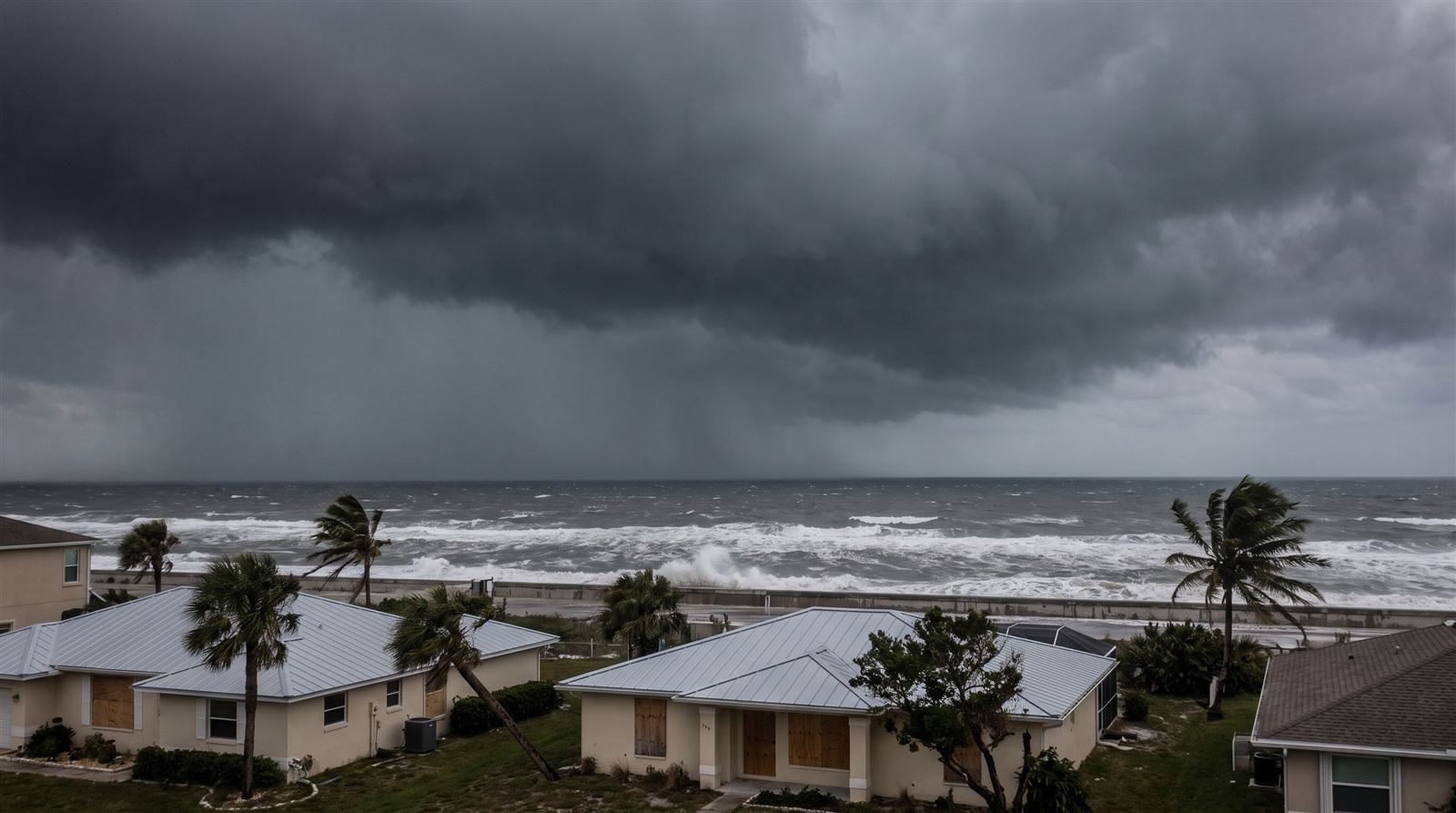
Some regions face higher baseline grid risk than others, which shapes how essential backup power feels to residents. The Gulf Coast and Atlantic hurricane corridor, including Florida and Louisiana, face recurring seasonal storm risk that can knock out power for extended periods. Texas experienced a dramatic example of grid-wide vulnerability during the February 2021 winter storm Uri, when inadequately weatherized generation equipment combined with surging heating demand caused a statewide grid failure. California’s wildfire-prone areas face a different kind of planned disruption through Public Safety Power Shutoffs, where utilities proactively cut power during high fire-danger weather. Homeowners in any of these higher-risk regions often place a higher practical value on backup power independence simply because outages are a more frequent and disruptive reality of local life, not a rare event.
Permitting Climate and Local Regulatory Friction
How easy it is to actually install a standby generator, or pursue broader off-grid systems like battery storage and solar, depends heavily on local permitting processes, which vary enormously by county and municipality regardless of state. Some jurisdictions have streamlined, well-established permitting processes for generator installation because they see high demand due to regional disaster risk, while others, particularly areas with less generator demand historically, may have less experienced building departments and slower permit turnaround. This is a genuinely local factor rather than a state-level one in many cases, since two counties in the same state can have very different permitting experiences. See our guide on state and local generator building codes and setback rules for more on how these requirements are structured.
Property Characteristics That Matter More Than State Lines
Independence from the grid depends heavily on factors specific to your individual property regardless of which state you live in: whether you have adequate outdoor space meeting setback requirements for a generator and fuel tank, whether your property can accommodate a large enough propane tank if you are not on natural gas, and whether your lot has good solar exposure if you are considering battery storage as a complement to generator backup. A rural property with ample land in a state with modest disaster risk can sometimes achieve more genuine independence than a small urban lot in a high-risk state simply because of physical site constraints.
Rural Cooperative and Municipal Utility Considerations
Homeowners served by rural electric cooperatives or smaller municipal utilities sometimes have access to more personalized programs or guidance around backup power than customers of large investor-owned utilities, simply because cooperatives are member-owned and occasionally offer targeted assistance programs, though this varies enormously by specific provider and is not something you should assume applies to your cooperative without checking directly. See our broader guide on utility rebate programs for a realistic look at how inconsistent these programs are nationally.
Note: specific claims about “the best state” for backup power independence should be treated skeptically unless backed by your own research into local permitting, fuel access, and utility programs. Regional risk profiles and infrastructure vary too much within states, not just between them, for a simple ranking to be reliable.
How to Evaluate Your Own Situation
Rather than searching for a definitive best-state ranking, evaluate your specific property and county against the factors above: your realistic outage frequency and duration history, your access to natural gas or reliable propane delivery, your local building department’s familiarity with generator permitting, and your property’s physical capacity for a generator, fuel tank, or battery system. This bottom-up approach produces a far more useful answer than any generalized state ranking could, since the factors that matter most operate at the county and property level as much as the state level.
Key Takeaways
- No single state is universally “best” for backup power independence, since fuel access, grid risk, permitting friction, and property characteristics vary significantly even within a state.
- Reliable fuel access, whether natural gas utility service or a well-supplied propane market, is one of the most important practical factors for genuine independence.
- Hurricane-prone Gulf Coast states, Texas following the 2021 winter storm Uri grid failure, and California’s wildfire-driven PSPS areas all illustrate different types of regional grid risk that raise the practical value of backup power.
- Local permitting experience and building department familiarity with generator installations can vary by county even within the same state.
- Evaluate your own property’s specific outage history, fuel access, and physical site characteristics rather than relying on a generalized state ranking.
Frequently Asked Questions
Is there an official ranking of the best states for backup power?
No credible, standardized ranking of “best states for backup power” exists, since the relevant factors (fuel access, permitting, grid risk, property characteristics) vary too much within states to reduce to a single score. Treat any specific ranking you encounter online skeptically and evaluate your own county and property instead.
Does living in a low-risk state mean I do not need a generator?
Not necessarily. While regions like the Gulf Coast, Texas, and California’s wildfire zones face well-documented specific risks, power outages from routine equipment failure, severe local weather, or grid maintenance issues can happen anywhere. Your decision should be based on your own outage history and risk tolerance, not just your state’s general disaster profile.
Is propane or natural gas better for off-grid independence?
Propane generally offers more independence since it relies on an on-site tank rather than continuous utility delivery, which matters if you want resilience against simultaneous disruptions to both electric and gas utility service. Natural gas offers convenience and effectively unlimited supply as long as the gas utility itself remains operational.
Do rural areas have an advantage for generator installation?
Often yes, in terms of physical space for setback compliance and larger fuel tanks, and sometimes in terms of established propane delivery infrastructure. However, rural areas can also have less experienced local building departments for permitting, so this is not a universal advantage.
How do I find out if my county has generator-friendly permitting?
Contact your local building department directly and ask about their typical timeline and requirements for standby generator installation permits. Installers who work regularly in your area can also give you a realistic sense of how straightforward or slow the local permitting process tends to be.