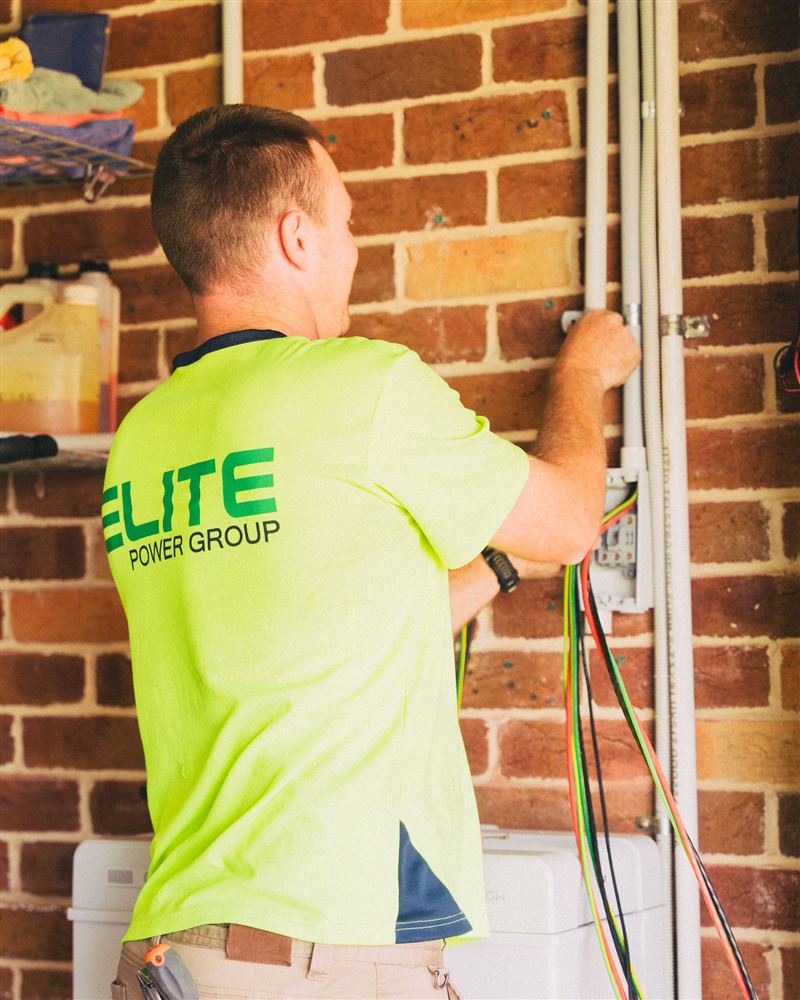
When it is time to actually install a standby generator, homeowners typically choose between three paths: hiring a licensed electrician directly, going through a general contractor who subcontracts the trades, or using a generator dealer’s in-house installation team. Each approach can produce a correct, code-compliant installation, but they differ in coordination effort, accountability, and how the project is priced.
What a Licensed Electrician Handles Directly
A licensed electrician is qualified to handle the electrical portion of the project: panel evaluation, any necessary panel upgrade, wiring from the generator to the transfer switch, and the panel connection itself. However, most standby generator installations also require gas or propane line work, concrete or pad work, and sometimes zoning or HOA coordination — scope that falls outside a typical electrician’s own trade license. If you hire an electrician directly, you may need to separately coordinate a licensed gas fitter or plumber and a concrete or grading contractor yourself, unless your electrician has established subcontractor relationships they manage on your behalf.
What a Full-Service Generator Dealer or Installer Offers
Many generator manufacturers work with authorized dealer networks that provide end-to-end installation services, managing the electrical, gas, and site work under one contract, even though the actual licensed trades performing each portion of the work may still be subcontractors. This model tends to simplify the homeowner’s experience considerably, since you have a single point of contact managing the entire project, including permitting coordination across multiple trades.
The tradeoff is that you are trusting the dealer’s vetting of their subcontractors, and it is worth directly asking who is actually pulling each permit and performing each licensed portion of the work, rather than assuming “the dealer” is doing everything themselves.
What a General Contractor Adds to the Process
A general contractor manages the overall project and subcontracts the electrical, gas, and site work to licensed tradespeople, similar to a full-service generator dealer but often for homeowners who are bundling the generator installation with a larger renovation project, such as a new deck or exterior remodel where the generator installation is one piece of a bigger scope. This can make sense if you already have a trusted general contractor managing other work on your property, since it consolidates project management under one relationship you already have.
The general contractor route can add a coordination layer and sometimes a markup on subcontracted work compared to hiring the trades directly, though this is offset by reduced coordination effort on your part.
Comparing the Three Approaches
| Factor | Direct Electrician | Full-Service Generator Dealer | General Contractor |
|---|---|---|---|
| Single point of contact | No — you coordinate other trades | Yes | Yes |
| Electrical expertise | Direct, specialized | Subcontracted, dealer-managed | Subcontracted, GC-managed |
| Best fit | Homeowners comfortable coordinating multiple trades | Homeowners who want a turnkey generator-specific process | Homeowners already bundling other renovation work |
| Warranty and accountability | Direct electrician accountable for their scope only | Dealer typically accountable for full project | GC typically accountable for full project |
| Potential cost structure | Can avoid a general contractor markup | Bundled pricing, may include manufacturer relationship perks | Bundled pricing, potential markup on subcontracted trades |
What Matters More Than the Label
Regardless of which path you choose, the more important question is not the type of company on the contract, but who specifically is licensed for each portion of the work and who is contractually accountable if something goes wrong. A general contractor or dealer who clearly identifies their licensed electrical and gas subcontractors, and who stands behind the labor warranty for the full project, offers similar practical protection to hiring each trade directly yourself, as long as the accountability is clearly documented in the contract.
Ask directly, regardless of which route you are considering:
- Who holds the electrical license performing the panel and transfer switch work?
- Who holds the gas or plumbing license performing the fuel line work?
- Who is pulling each required permit?
- Does the company’s warranty cover installation labor, or only the manufacturer’s parts warranty?
- What happens if a subcontractor’s work fails inspection — who is responsible for the fix?
When Hiring an Electrician Directly Makes the Most Sense
If you already have a trusted, licensed electrician, are comfortable coordinating a separate gas fitter and any needed site work yourself, and want maximum control over each vendor relationship, hiring directly can work well and may reduce the overall markup compared to a bundled project. This path generally suits homeowners who have some renovation project management experience or who value that direct relationship over turnkey convenience.
When a Full-Service Dealer or General Contractor Makes More Sense
If you would rather have one contract, one point of contact, and one company accountable for the entire outcome, a full-service generator dealer or a general contractor managing the project removes the coordination burden from you. This is often the better fit for homeowners who are installing a generator for the first time and do not already have established relationships with the individual trades involved.
Key Takeaways
- All three paths — direct electrician, full-service dealer, or general contractor — can produce a correct, code-compliant installation.
- Hiring an electrician directly requires you to coordinate the gas and site work separately unless they manage subcontractors themselves.
- Full-service dealers and general contractors offer a single point of contact but rely on subcontracted trades you should still ask about directly.
- What matters most is confirming who is licensed for each portion of the work and who is contractually accountable for the full project.
- Choose based on how much coordination effort you want to take on yourself versus delegate to a project manager.
Frequently Asked Questions
Is it cheaper to hire an electrician directly instead of a full-service dealer?
It can be, since you avoid a potential markup on subcontracted trades, but it depends on your ability to efficiently coordinate the gas and site work yourself and on regional pricing for each individual trade.
Does a general contractor need a specific license to manage a generator project?
General contractor licensing requirements vary by state, and even a licensed general contractor typically still needs to subcontract the electrical and gas work to trades licensed in those specific areas.
How do I verify a dealer’s subcontractors are actually licensed?
Ask for the name and license number of the electrician and gas fitter performing the work, and verify those licenses through your state’s contractor licensing board website before signing a contract.
What happens if my general contractor’s electrical subcontractor does poor work?
This depends on your contract terms, but a well-structured contract should make the general contractor accountable for correcting subcontractor work that fails inspection or does not meet the agreed scope, without additional cost to you.
Should I choose based on price alone?
No. Comparing itemized scope, licensing verification, and warranty terms across quotes generally leads to a better outcome than choosing based on the lowest bottom-line number alone.