Condo and apartment dwellers face a version of the backup power problem that homeowners with detached houses never have to think about: shared walls, shared electrical infrastructure, and a homeowners association or property manager with real authority over what you can install. A whole-house standby generator, with its outdoor pad and dedicated fuel line, is designed for a single-family home with its own yard and its own electrical service — most multi-unit buildings simply are not built to accommodate one per unit, even for owners rather than renters.
Why Standby Generators Rarely Work in Multi-Unit Buildings
A standby generator needs a place to sit outside, at a code-required distance from windows, doors, and property lines, plus a dedicated fuel line and an electrical connection tied into your unit’s panel. In a condo building, the “outside” space around your unit is typically a common area owned and controlled by the association, not by you individually, even if you technically own your unit. That means installing a generator involves not just your own electrical work but a change to shared property, which almost always requires a vote or written approval from the HOA board, and many associations decline these requests outright because of noise, fumes, and precedent concerns for other owners.
Some low-rise condo developments with individual ground-level patios or attached garages have more flexibility, and it is worth asking your HOA directly rather than assuming the answer is no. But for the majority of mid-rise and high-rise buildings, a personal standby generator is not a realistic path.
What HOAs and Building Managers Actually Allow
Most condo associations and apartment complexes fall into one of a few patterns:
- No generator use of any kind, including portable units, often written directly into the governing documents or lease.
- Portable generator use permitted only in designated outdoor areas, away from units and covered walkways, sometimes with a permit or advance notice requirement.
- Battery backup systems permitted without restriction, since they involve no combustion, no fuel storage, and no fumes — these are rarely mentioned in HOA rules at all because they simply do not raise the same safety concerns.
Before buying anything, request a copy of your HOA’s current rules on generators and fuel storage, or ask your property manager directly. Rules do change over time, particularly after a widely publicized building fire or a bad experience with a generator-related carbon monoxide incident elsewhere, so do not rely on rules a neighbor mentioned a few years ago.
Building-Level Backup Power
Many condo and apartment buildings, particularly newer or larger developments, already have some backup power built in at the building level: emergency generators for elevators, hallway and stairwell lighting, life-safety systems like fire alarms and sprinkler pumps, and sometimes a limited number of dedicated outlets in common areas. This building-level backup is designed to keep the structure safe and functional during an outage, not to power the appliances inside individual units, so do not assume it covers your refrigerator or your air conditioning. Ask your property manager what the building’s emergency power actually covers so you know the real gap you need to fill yourself.
Realistic In-Unit Backup Power Options
For most condo owners and apartment renters, the practical backup power hierarchy looks like this:
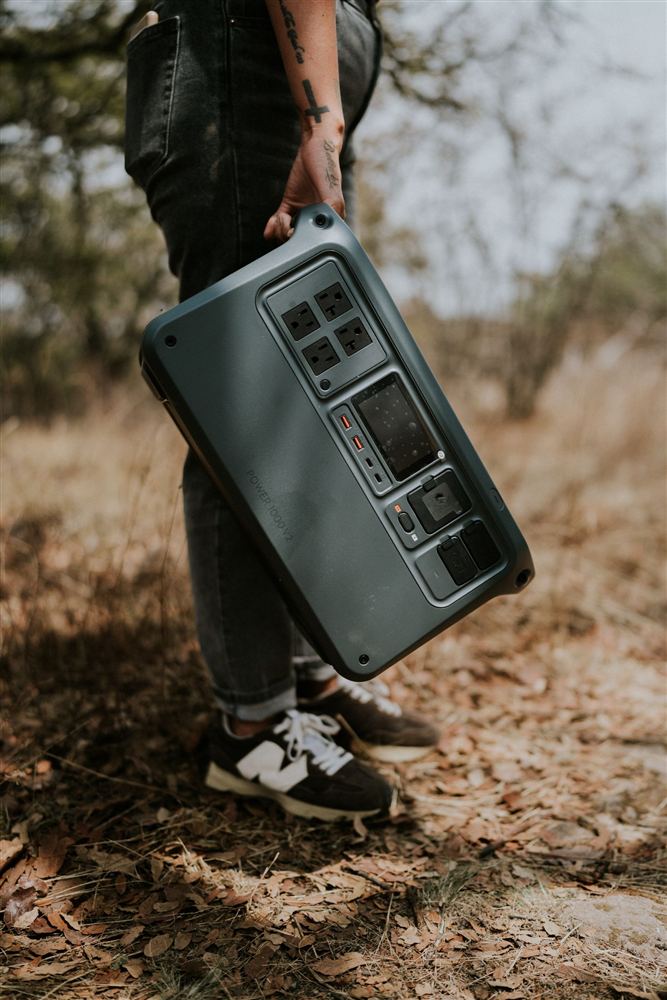
- Portable battery power stations are the best fit for in-unit use because they produce no exhaust and can run safely indoors, making them compatible with nearly every HOA rule and lease. They can keep a refrigerator, medical devices, phone and laptop chargers, and some lighting running for hours, and larger units paired with a solar panel can extend that further during a multi-day outage.
- Portable gas or propane generators, used only in designated outdoor areas per building rules, can provide more total power but come with real logistical friction in a multi-unit setting: where do you store the unit and fuel between outages, and how do you run extension cords safely from a distant outdoor location back to your unit.
- UPS (uninterruptible power supply) units are a smaller-scale option worth considering for sensitive electronics like a home office setup or medical equipment that cannot tolerate even a brief interruption while switching power sources.
Talking to Your HOA Board or Property Manager
If your building’s current rules do not address backup power directly, or you believe a policy is outdated, raising it at a board meeting or with property management can be worthwhile — plenty of associations have updated their generator and battery policies in recent years as battery backup technology has become more common and affordable. Come prepared with specifics: what equipment you want to use, where you plan to store and operate it, and how it complies with fire code and any manufacturer safety guidance. A specific, well-documented request is far more likely to get a thoughtful answer than a general question about “can I get a generator.”
Key Takeaways
- Whole-house standby generators are rarely feasible in condos or apartments because the exterior space needed belongs to the association or building, not the individual unit.
- HOA rules and leases vary widely on portable generators — some ban them entirely, others restrict use to designated outdoor areas, so check current rules before buying anything.
- Battery backup power stations are usually the most broadly compatible option since they involve no fuel or fumes and can be used indoors.
- Building-level emergency generators typically cover elevators, common-area lighting, and life-safety systems only, not the appliances inside your unit.
- If your building’s generator policy seems outdated, bringing a specific, well-documented proposal to your HOA board is more effective than a vague request.
Frequently Asked Questions
Can I install a small standby generator on my condo’s private patio?
It depends entirely on your HOA’s governing documents and whether the patio area is deeded to your unit or classified as a limited common element. Some ground-floor units with private, deeded patios have more flexibility, but you still need board approval in most associations before installing anything permanent.
What is the quietest backup power option for apartment living?
Battery power stations are essentially silent since they have no engine, which makes them the best fit for close-quarters apartment living where a gas generator’s noise would likely violate lease terms or bother neighbors.
Does my building’s emergency generator cover my unit’s power during an outage?
Usually not for individual unit outlets or appliances. Building-level generators are typically sized and wired to cover elevators, stairwell and hallway lighting, and life-safety systems like fire alarms, not the electrical circuits inside your apartment or condo.
Can my HOA legally ban all generators, even battery-based ones?
Associations generally have broad authority to regulate common areas and can restrict combustion generators for fire and fume safety reasons. Battery-based systems are less commonly restricted since they present different risks, but you should still confirm current rules in your specific association’s governing documents rather than assuming.
Is it worth buying a portable generator if I can only use it in a shared outdoor area?
It can still be worthwhile if your building has a suitable designated area and you are willing to manage the logistics of extension cords and fuel storage between outages. For many condo and apartment residents, though, a battery power station covers the most common needs with far less hassle.