If you rent your home, a whole-house standby generator is almost never on the table — it requires permanent electrical work, a dedicated fuel line, and a concrete pad, all of which belong to the property owner, not the tenant. But that does not mean renters are stuck with candles and a cooler full of ice during an outage. Portable generators, battery-based backup systems, and a handful of landlord-approved workarounds can cover real needs, and understanding the difference between what you can buy versus what you can permanently install is the first step to making a smart decision.
This article is the starting point for a series of guides covering special living and property situations that do not fit the standard “homeowner installing a standby generator” scenario. Whether you live in a condo, run a home business, own a second home, farm, or depend on medical equipment, the core question is the same: what backup power approach actually fits your situation, your lease or property rules, and your budget?
Why Whole-House Standby Generators Are Off the Table for Most Renters
Standby generators are permanently wired into a home’s electrical panel through an automatic transfer switch, and they typically run on a dedicated natural gas or propane line. Installing one means cutting into the building’s electrical system, potentially upgrading the panel, and placing a large piece of equipment on a concrete pad outside — all of which are structural or permanent alterations that virtually every lease prohibits without written landlord consent. Even renters who would happily pay for the installation themselves usually cannot get approval, because the generator becomes a fixture that increases the landlord’s liability, affects the property’s electrical infrastructure, and may not be something the owner wants tied to their building after the tenant moves out.
There is also a practical mismatch: standby generators are a multi-thousand-dollar investment tied to a specific property, and most rental tenures are not long enough to justify that kind of permanent capital improvement on someone else’s real estate.
What Renters Can Actually Do
The realistic options for renters fall into three categories, roughly in order of cost and capability.
- Portable gasoline or propane generators — these can power a refrigerator, some lighting, phone chargers, and a window air conditioner or space heater, run through heavy-duty extension cords. They must be operated outdoors, well away from windows and doors, due to carbon monoxide risk, which makes them a poor fit for many apartment layouts with no private outdoor space.
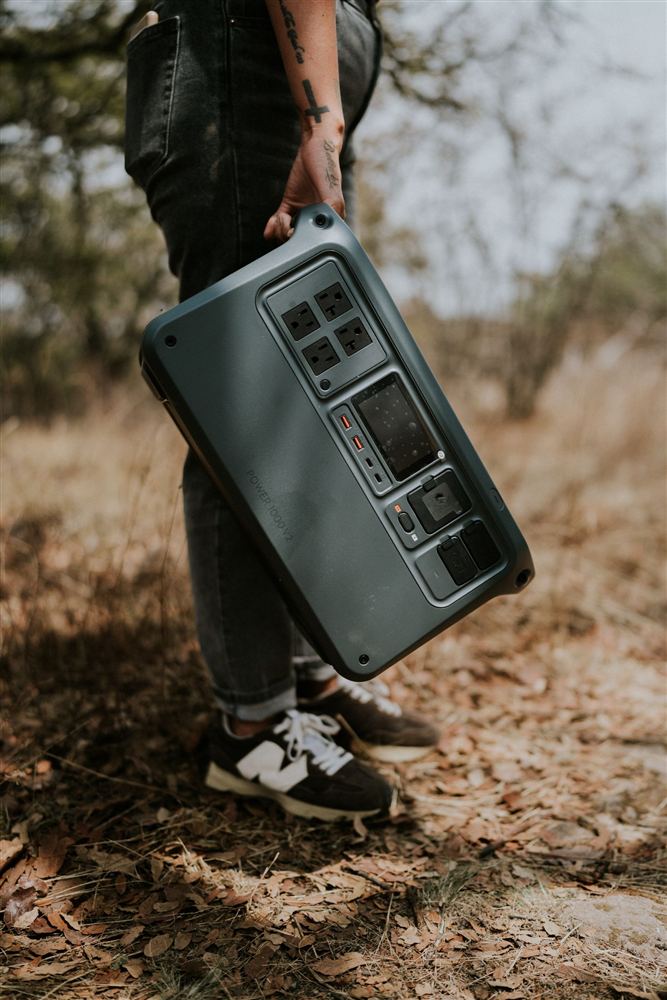
- Battery backup systems (portable power stations) — these store energy and release it through built-in outlets with no exhaust fumes, so they can be used indoors. They are quieter and safer for close-quarters living, though they typically hold less total energy than a similarly priced gas generator and need to be recharged from a wall outlet or a solar panel.
- Building-level or shared backup power — some apartment complexes and condo buildings maintain emergency generators for common areas, elevators, and sometimes individual unit circuits. Ask your property manager what, if anything, the building already provides before buying your own equipment.
Reading Your Lease Before You Buy Anything
Even a portable generator can run into lease restrictions. Many leases have clauses about fire hazards, fuel storage, alterations to common areas, and use of balconies or patios for equipment. Storing a five-gallon gas can in a unit, for example, is a fire code violation in many buildings regardless of what the lease says. Before purchasing any generator or fuel, it is worth a short conversation with your property manager to confirm:
- Whether portable generator use is permitted anywhere on the property, including patios or balconies.
- Where fuel can legally and safely be stored, if at all.
- Whether the building has any backup power for common areas or life-safety systems that changes what you actually need to cover yourself.
Getting this in writing, even as a brief email confirmation, protects you if a neighbor or the building complains about noise, fumes, or fuel storage later.
Special Considerations for Medical or Business Needs
Some renters have a non-negotiable reason for backup power, such as a family member who depends on medical equipment or a home-based business that cannot tolerate downtime. In these cases, it is worth asking the landlord directly about a reasonable accommodation, since some jurisdictions require landlords to make modest accommodations for documented medical needs, though the specifics vary by state and situation and this is not something to assume without checking. A battery backup system sized for the specific medical device, paired with a plan with the equipment supplier, is often the most realistic solution when a landlord cannot or will not approve any generator installation. Renters with critical medical power needs should also register with their utility company’s medical baseline or priority restoration program, where available, so that power is restored to their address as quickly as possible during a widespread outage.
How This Compares Across Other Special Situations
Renters are just one of several groups whose backup power needs do not fit the standard homeowner playbook. Condo and co-op owners face a related but distinct problem: they own their unit but still need association approval for anything that affects the building’s exterior or shared electrical systems. Homeowners with home-based medical equipment need a sizing and safety approach built around the specific device’s power draw rather than general household comfort. Small business owners in commercial or mixed-use spaces have their own code requirements and equipment needs tied to keeping a business open rather than a household running. Rural and off-grid property owners, by contrast, often have far more flexibility to install a full standby system but face different fuel-supply and site logistics. Farm owners have to think about well pumps and livestock systems that cannot go without power for even a few hours. Second-home owners weigh whether a standby generator is worth it for a property they only occupy part of the year. And people who work from home, along with EV owners layering a car’s charging needs onto a home’s electrical load, each have their own math to run before deciding what backup equipment actually makes sense.
Key Takeaways
- Permanent standby generators almost always require landlord approval and structural changes, which puts them out of reach for the vast majority of renters.
- Portable generators and battery-based power stations are the realistic backup power options for tenants, each with different safety and lease considerations.
- Always confirm generator, fuel storage, and outdoor equipment rules with your property manager or lease terms before buying anything.
- Renters with documented medical power needs should ask about reasonable accommodations and register for utility medical priority programs where available.
- Every special living situation, from condos to farms to home businesses, has its own realistic backup power path worth researching individually.
Frequently Asked Questions
Can I install a standby generator if I offer to pay for everything myself?
Even if you cover the full cost, most landlords will decline because the generator becomes a permanent fixture tied to their property, involves cutting into the building’s electrical system, and increases their liability. It is worth asking, but do not expect approval, and always get any agreement in writing before spending money.
Is it legal to run a portable generator on my apartment balcony?
Generally no. Portable generators produce carbon monoxide and need significant open-air clearance from windows, doors, and air intakes, which most balconies cannot provide safely. Many leases and local fire codes prohibit generator use on balconies specifically for this reason, so check both your lease and local fire code before assuming it is allowed.
What is the best backup power option for a small apartment?
A battery-based power station is usually the safest and most practical option for apartment living, since it produces no exhaust fumes and can be used indoors. It will not power an entire apartment’s air conditioning, but it can reliably keep a refrigerator, phone chargers, medical devices, and some lighting running during a typical outage.
Do landlords have to accommodate a tenant who depends on medical equipment?
Some jurisdictions require landlords to consider reasonable accommodations for documented medical needs, but the rules vary significantly by state and by the specific situation. Renters in this position should talk to their landlord directly, keep documentation from their medical provider, and also register with their electric utility’s medical baseline or priority restoration program if one is available in their area.
Should I just move if I really need a whole-house generator?
Not necessarily. Many renters can meet their real needs with a well-sized battery backup system or portable generator paired with a clear plan for what to power during an outage. A whole-house standby system is only worth prioritizing as a housing requirement if backup power is a genuine health or safety necessity that cannot be met with portable equipment.