When someone in your household depends on a ventilator, oxygen concentrator, dialysis machine, powered wheelchair charger, or other electrically powered medical equipment, a power outage is not just an inconvenience — it can be a safety-critical event. Generator sizing for a home with medical equipment starts the same way as any generator sizing decision, but the margin for error is much smaller, and the right approach usually involves more than just a generator alone.
This article is general information, not medical or electrical advice. Every device, every household’s electrical setup, and every person’s medical needs are different. Always consult your durable medical equipment (DME) supplier and a licensed electrician about your specific situation before making decisions about backup power for medical equipment.
Start With the Device’s Actual Nameplate Wattage
The single most important step is finding the specific power draw of your equipment, and the only reliable source for that number is the device itself or its manufacturer documentation — never a general estimate from an article or a generic list of “typical” medical device wattages. Look for a nameplate or rating label on the device, usually near the power cord connection or on the underside or back of the unit, which lists the input voltage and either wattage or amperage. If you cannot locate or read the label, contact your DME supplier or the manufacturer directly and ask for the exact power consumption figures, including any difference between normal operating draw and the higher draw some devices pull briefly at startup.
It’s also worth asking your supplier whether the device has a battery backup built in already, and if so, how long that internal battery lasts and whether it needs to be charged continuously to stay ready. Many ventilators and oxygen concentrators include some internal battery capacity, but the runtime is often shorter than people assume, especially if the battery is older or has not been tested recently.
Build In a Real Safety Margin
Once you know the actual wattage, the general principle is to size any backup power solution well above that number rather than to the exact figure. A generator or battery system running exactly at a device’s rated draw leaves no room for voltage fluctuation, other devices sharing the same circuit, or the equipment’s own startup surge. This is not a specific number that applies universally — the right margin depends on the device, the manufacturer’s own guidance, and your electrician’s assessment of your home’s wiring — which is exactly why this decision should be made with your DME supplier and a licensed electrician rather than estimated from general reading.
Why the Gap During Transfer Matters
A standby generator, once running, can reliably power medical equipment for as long as it has fuel. The part that deserves the most careful attention is the transition: the brief gap between when utility power fails and when a backup source is actually delivering power to the device. A whole-house standby generator with an automatic transfer switch typically starts within seconds of an outage, but “within seconds” is still an interruption, and for some medical equipment even a short gap in power is not acceptable.
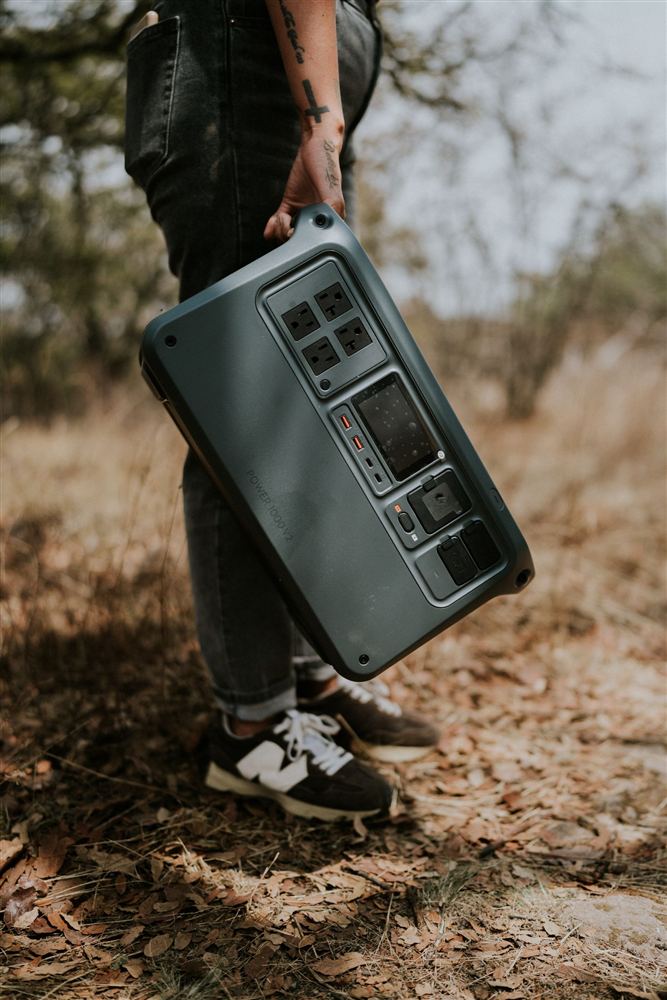
This is the core reason many DME suppliers and clinicians recommend a battery backup device in addition to a generator for critical medical needs, not instead of one. A battery backup, whether built into the medical device itself or a separate uninterruptible power supply, bridges that transfer gap instantly since it is always ready, while the generator handles the longer-duration power needs once it starts. Ask your equipment supplier specifically whether your device needs this kind of bridging power, since the answer depends on the device’s own internal battery capacity and how it is designed to handle a power interruption.
Talk to Your Utility Company About Priority Restoration
Many electric utilities maintain a medical baseline, priority restoration, or critical care customer program for households with documented medical equipment needs. Enrolling does not guarantee uninterrupted power, and it is not a substitute for your own backup power plan, but it can mean faster restoration after a widespread outage and, in some cases, advance notice of planned outages or maintenance work. Contact your utility directly to ask what documentation they require and what the program actually provides, since these programs vary significantly by utility and are not standardized nationally.
Working With a Licensed Electrician
A licensed electrician can evaluate your home’s specific electrical setup, confirm whether the circuit serving your medical equipment is appropriate for connection to backup power, and help determine whether a dedicated circuit or an automatic transfer switch is warranted for your situation. This is also the right point to discuss generator sizing for the rest of the household’s needs alongside the medical equipment, since the two are usually planned together rather than as separate systems. Do not rely on a generator sized by rule of thumb for medical-equipment households — this is a case where a professional assessment of your actual electrical panel and your actual equipment matters more than following general sizing guidance.
Building a Written Emergency Power Plan
Beyond the equipment itself, most DME suppliers recommend a written plan that covers what to do if backup power fails entirely: where the nearest hospital or dialysis center is, whether a portable backup battery can get you there safely, and who to call for equipment troubleshooting after hours. Keep this plan somewhere accessible, share it with anyone who might be present during an outage, and review it whenever your equipment or medical needs change.
Key Takeaways
- Always use the actual nameplate wattage of your specific medical device, confirmed with your DME supplier or the manufacturer, rather than a general estimate.
- Build in a safety margin above the device’s rated power draw, sized with input from your supplier and a licensed electrician for your specific equipment and home wiring.
- Consider a battery backup in addition to a generator to cover the brief transfer gap when utility power fails, since some equipment cannot tolerate any interruption.
- Register with your electric utility’s medical baseline or priority restoration program if one is available in your area.
- This article is general information only — consult your equipment manufacturer, DME supplier, and a licensed electrician for guidance specific to your medical situation and home.
Frequently Asked Questions
How do I find out exactly how much power my medical device uses?
Check the nameplate or rating label on the device itself, usually near the power cord or on the back or underside of the unit, which lists voltage and wattage or amperage. If you cannot find or interpret it, contact your durable medical equipment supplier or the manufacturer directly for the exact figures rather than relying on a general estimate.
Is a generator alone enough for critical medical equipment?
Not always. A standby generator typically takes a short time to start and transfer power after an outage begins, and for some medical equipment even a brief gap is not acceptable. Many DME suppliers recommend pairing a generator with a battery backup device that bridges that transfer gap instantly, in addition to the generator’s longer-duration coverage.
Should I ask my doctor or just my electrician about backup power sizing?
Both, for different reasons. Your medical equipment supplier or physician can confirm your device’s power requirements and how much interruption, if any, it can safely tolerate, while a licensed electrician evaluates your home’s electrical system and helps size and install the backup power solution safely. Neither should be skipped in favor of the other.
What is a utility medical baseline or priority restoration program?
It’s a program some electric utilities offer to households with documented medical equipment needs, which can provide faster power restoration after outages and sometimes advance notice of planned maintenance. Programs and eligibility requirements vary by utility, so contact your provider directly to ask what is available and what documentation they require.
Can I just rely on my medical device’s built-in battery during an outage?
Many devices include some internal battery capacity, but runtime varies by device and battery age, and it is generally not intended to cover an extended outage on its own. Ask your supplier how long your specific device’s battery is rated to last and how that fits into a broader backup power plan, rather than assuming it will cover a multi-hour or multi-day outage.