One of the most common points of confusion for homeowners installing a standby generator is assuming there is a single national standard for where the unit can be placed. In reality, generator setback distances and installation requirements are set primarily at the state, county, or city level, layered on top of general guidance from national model codes and manufacturer specifications, which means the exact rules that apply to your property depend entirely on your specific jurisdiction.
Why There Is No Single National Setback Standard
Generator installation requirements typically draw from a combination of sources: the National Electrical Code (NEC) and National Fuel Gas Code provide baseline technical guidance that many jurisdictions adopt in some form, manufacturers publish their own required clearances from windows, doors, and combustible materials based on the unit’s design and exhaust configuration, and individual state, county, and municipal building departments layer their own amendments and local zoning setback requirements on top of those baselines. Because local governments can adopt different versions or editions of these model codes, and can add their own stricter local amendments, the same generator model might have a different minimum setback distance required in two neighboring counties, let alone two different states.
This is why any specific setback distance you see quoted online, including general figures sometimes cited for clearance from a property line or window, should be treated as a starting reference point rather than a guarantee of what your local building department will require.
Common Factors Local Codes Typically Address
While the exact numbers vary by jurisdiction, most local generator installation codes address a similar set of underlying concerns:
- Clearance from windows, doors, and fresh air intakes: to prevent exhaust from entering the home, a concern directly related to carbon monoxide safety.
- Distance from property lines: to prevent noise and exhaust from directly affecting a neighboring property.
- Clearance from the structure itself: often influenced by the generator’s enclosure material and the home’s siding material, since combustible surfaces may require greater clearance.
- Flood zone and elevation requirements: particularly relevant in coastal and flood-prone jurisdictions, where a generator and its fuel source may need to be elevated above a base flood elevation.
- Noise ordinances: some municipalities impose maximum decibel limits or restrict generator testing to certain hours, separate from the physical placement rules.
- Homeowners association rules: while not a government building code, HOA covenants can impose their own placement, screening, or aesthetic requirements that operate alongside, not instead of, your local building code.
How Climate and Regional Risk Shape Local Rules
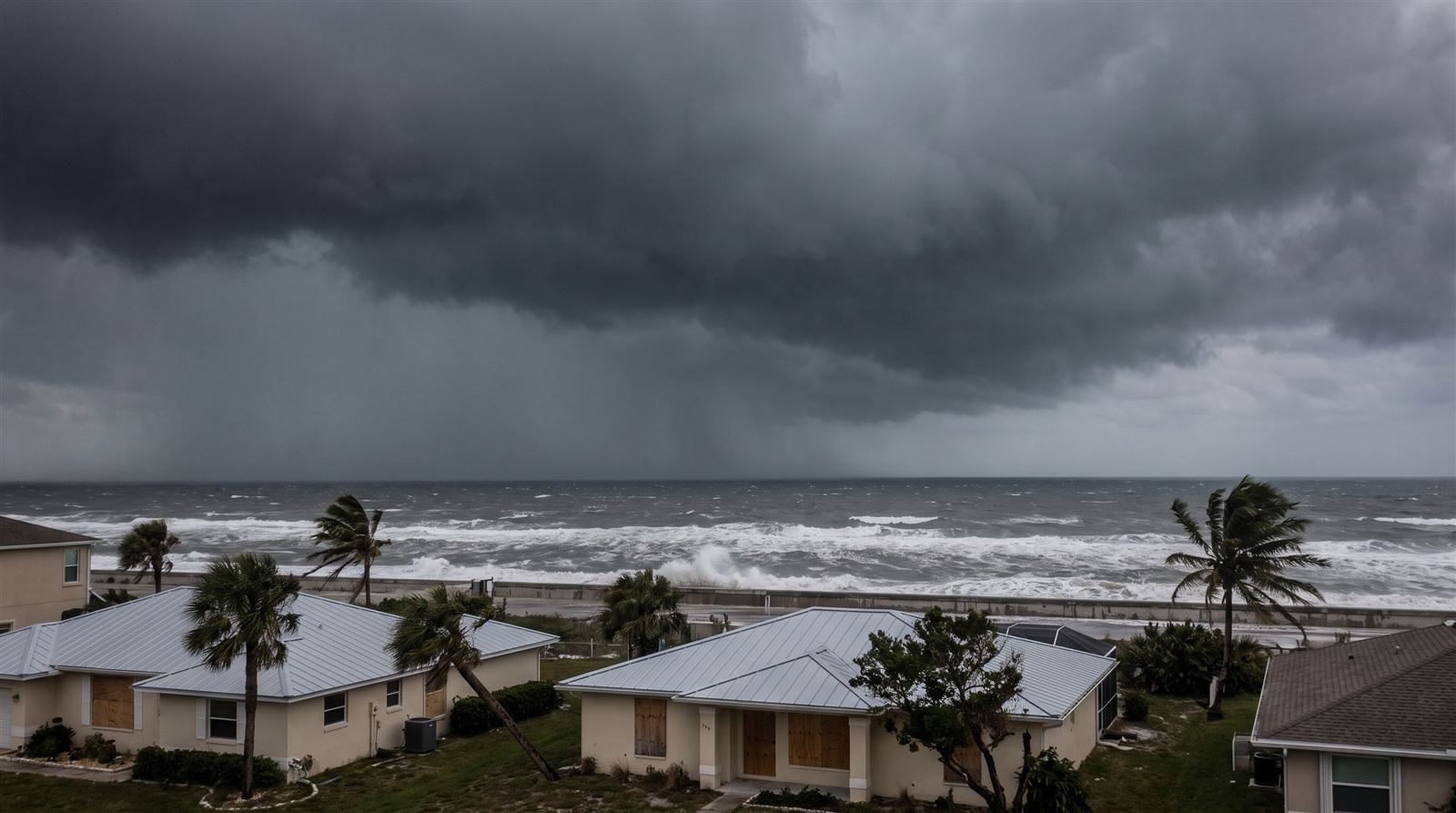
Jurisdictions with specific disaster risk profiles sometimes have amended codes that reflect that risk. Coastal counties in hurricane-prone states, including Florida and the broader Gulf Coast region, often have specific requirements around wind resistance for the generator’s mounting and enclosure, along with flood elevation requirements for both the unit and any propane tank, given the region’s exposure to storm surge. Wildfire-prone areas in California and other Western states may have defensible space or vegetation clearance requirements that interact with where a generator, and its fuel source, can be sited relative to structures and vegetation. These regional variations are additional reasons that a setback distance appropriate in one part of the country may not reflect what your local jurisdiction actually requires.
Note: setback distances, flood elevation requirements, and noise ordinances vary significantly by state, county, and city, and are periodically updated. Confirm current requirements directly with your local building department before finalizing a generator installation plan.
How to Find Your Local Requirements
The most reliable way to determine your specific setback and installation requirements is contacting your local building department directly, either by phone or through their website, and asking specifically about standby generator installation requirements, including setback distances, permit requirements, and any flood zone considerations that apply to your address. Many licensed generator installers are already familiar with local requirements in their service area and factor this into the site survey, but it is still worth confirming independently, particularly if you are working with an installer who is new to your specific jurisdiction or if your property has unusual characteristics like a small lot or proximity to a flood zone.
Permits Are a Separate Requirement From Setback Compliance
It is worth distinguishing between setback compliance (where the unit is physically placed) and the permitting process (the paperwork and inspection required to legally install it). Meeting setback requirements does not eliminate the need for an electrical permit, and in many areas a separate mechanical or gas permit for the fuel line connection. Our guide on the full installation process covers how permitting typically fits into the overall project timeline.
Key Takeaways
- Generator setback and installation requirements are set primarily at the state, county, and city level, not by a single national standard.
- Local codes typically address clearance from windows and doors, property line distance, structural clearance, flood elevation, and sometimes noise ordinances.
- Hurricane-prone and wildfire-prone jurisdictions often have additional amendments reflecting their specific regional risk, such as flood elevation or defensible space requirements.
- HOA covenants can add further placement or aesthetic requirements on top of, not instead of, your local government’s building code.
- Always confirm current setback distances and permit requirements directly with your local building department rather than relying on a generic figure.
Frequently Asked Questions
Is there a single national setback distance for generators?
No, there is no single universal setback distance. National model codes and manufacturer specifications provide baseline guidance, but the enforceable requirement in your specific location depends on how your state, county, or city has adopted and amended those codes.
Do flood-prone areas have different generator installation rules?
Often yes. Many coastal and flood-prone jurisdictions require the generator, and sometimes its propane tank, to be elevated above a base flood elevation or otherwise protected from flood damage, in addition to standard setback requirements.
Can my HOA require a different placement than my local building code?
An HOA can impose additional aesthetic, screening, or placement preferences through its covenants, but these operate alongside your local government’s building code, not as a replacement for it. Your installation still needs to meet the legally enforceable local code regardless of HOA rules.
How do I find the exact setback distance required for my property?
Contact your local building department directly, either by phone or through their website, and ask specifically about standby generator setback and permit requirements for your address. A licensed local installer familiar with your area can also help confirm this during a site survey.
Does meeting the setback requirement mean I do not need a permit?
No, setback compliance and permitting are separate requirements. Even a generator placed at a fully compliant distance from windows and property lines typically still requires an electrical permit, and often a separate gas or mechanical permit, before installation is legally complete.