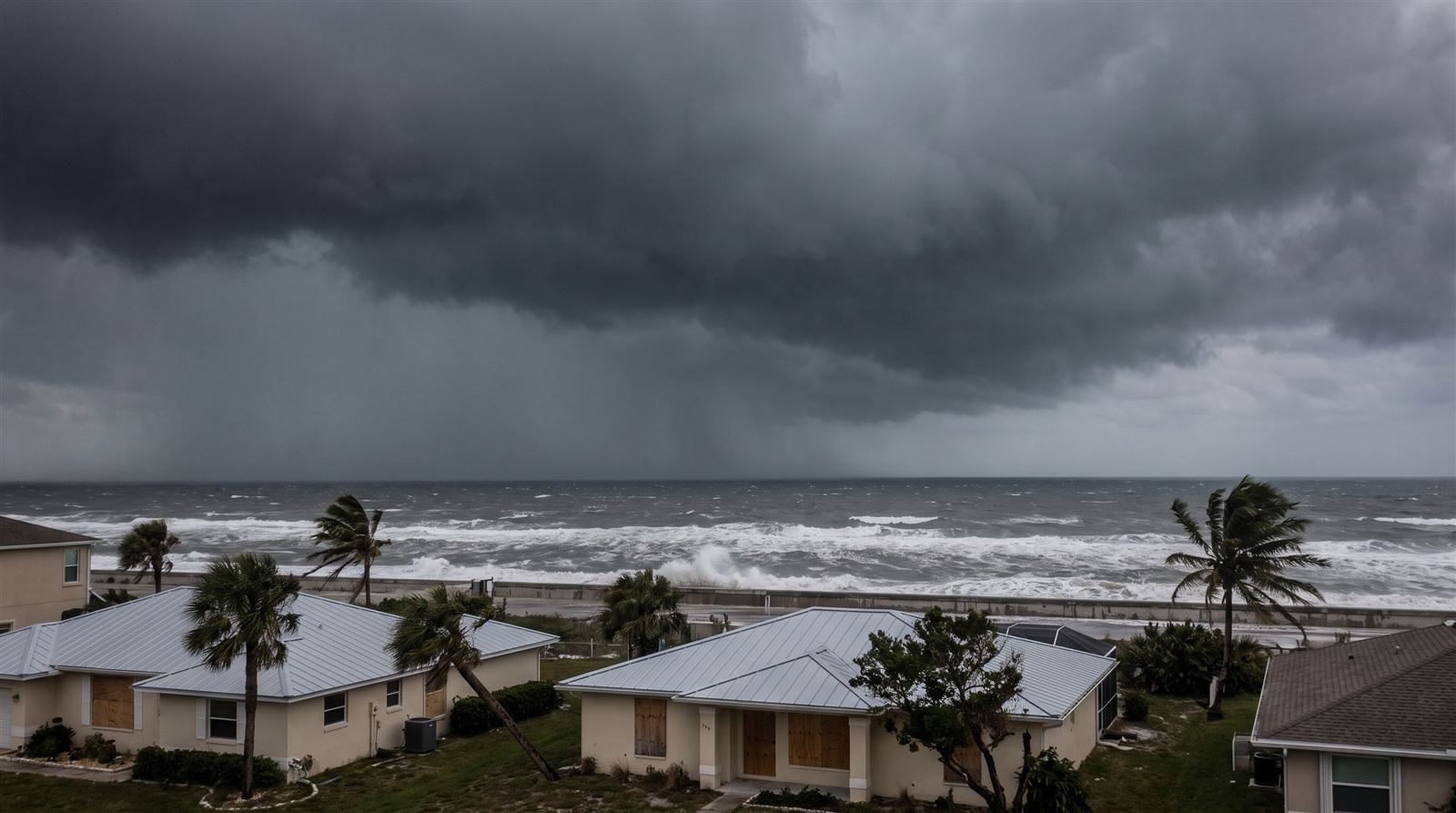
Florida’s Atlantic hurricane season runs from June through November, and for homeowners across the state, the question is rarely whether a major storm will eventually threaten the area but when. Extended power outages are one of the most common and disruptive consequences of a hurricane, sometimes lasting days or even weeks in the hardest-hit areas after major storms. This guide covers how Florida homeowners should think about generator sizing, fuel choice, and timing so that backup power decisions are made calmly in the spring rather than in a panic three days before landfall.
Why Timing Your Purchase Matters
The worst time to shop for a generator in Florida is the week a storm is projected to make landfall. Retailers sell out of portable units almost immediately once a storm enters the forecast cone, and whole-house standby generator installers become booked solid as demand spikes across the region. A whole-house system also requires a site survey, permitting, and a scheduled installation window that simply cannot be compressed into a few days. Homeowners who wait until an active storm threat to start the process are, realistically, choosing between an unreliable last-minute portable unit purchase or going without backup power for that particular storm. The homeowners who fare best treat generator shopping as a spring task, ideally completed well before the June 1 start of hurricane season, so the system is installed, tested, and ready before the first named storm threatens the state.
Sizing for Florida’s Climate
Florida’s dominant year-round electrical load is air conditioning, and that matters enormously for outage survivability, since a home without functioning AC during a Florida summer outage is not just uncomfortable but can become a genuine heat-safety issue for elderly residents, young children, and anyone with health conditions. When sizing a whole-house standby generator for a Florida home, work with a licensed installer to ensure your central air conditioning system, refrigeration, well pump (if applicable), and essential circuits are all accounted for, rather than sizing only for lighting and small appliances. Homes with pool equipment, medical equipment, or home offices should flag those loads explicitly during the sizing conversation as well.
Choosing a Fuel Source for Hurricane Resilience
Most Florida whole-house standby generators run on natural gas or liquid propane, and the choice matters specifically in a hurricane context. Natural gas offers essentially continuous fuel supply through underground utility lines, which tend to be more resilient to wind damage than above-ground electrical infrastructure, though gas utility service is not guaranteed to remain unaffected during a major storm. Propane requires an on-site tank, which gives you a fixed, self-contained fuel reserve that does not depend on continued utility delivery during or after the storm, provided the tank itself is installed to withstand high winds and flood risk appropriate to your site. Homeowners in areas prone to storm surge or flooding should discuss tank placement and elevation with their installer, since a propane tank in a flood-prone location introduces its own risks.
Preparing Your Generator Before Storm Season
Once a whole-house system is installed, seasonal readiness becomes the priority. Most standby generators run a brief self-test automatically on a weekly schedule, but homeowners should still confirm before hurricane season that the unit starts correctly, the transfer switch cycles properly, and the fuel supply (particularly a propane tank level) is adequate for an extended outage. If you rely on a portable generator instead of a whole-house system, hurricane season prep looks different: store fuel safely and legally in approved containers, test the unit under load before the season starts, and confirm you have a safe outdoor location to run it that is well away from windows, doors, and attached structures.
Note: never run a portable generator inside a garage, carport, or near an open window or door, even during or after a hurricane. Carbon monoxide poisoning remains a serious and documented risk in these post-storm situations.
Financial Considerations for Florida Hurricane Prep
Florida’s periodic Disaster Preparedness Sales Tax Holiday, typically announced each spring by the Florida Legislature ahead of hurricane season, can reduce the upfront cost of a qualifying generator purchase if your timing aligns with the announced window — see our dedicated guide on the Florida sales tax holiday for details. Beyond the tax holiday, many Florida homeowners also look into insurance discounts for a permanently installed standby unit and dealer financing plans to spread out the cost. Our guides on insurance discounts for standby generators and generator financing options cover how those programs generally work, though as with any incentive program, specific terms should be confirmed directly with the provider.
Key Takeaways
- Shop for a generator in the spring, well before the June 1 start of hurricane season, since demand and installer availability tighten dramatically once a storm threatens.
- Size a Florida standby generator around continuous cooling needs, since AC loss during a summer outage is a real heat-safety concern, not just a comfort issue.
- Natural gas offers continuous supply through more storm-resilient underground lines, while propane provides a self-contained fuel reserve independent of ongoing utility delivery.
- Test and confirm your system’s readiness, or your portable unit’s fuel supply and safe placement, before hurricane season begins rather than during an active storm threat.
- Florida’s sales tax holiday, insurance discounts, and financing plans can all reduce total cost, but always confirm current terms directly with the relevant provider.
Frequently Asked Questions
How far in advance should I install a generator before hurricane season?
Ideally, start the process in late winter or early spring so the site survey, permitting, and installation are complete well before June 1. Installation timelines can run several weeks from signed contract to final inspection, and installer schedules fill up quickly as hurricane season approaches.
Is natural gas or propane better for Florida hurricane resilience?
Both can work well. Natural gas offers continuous fuel through underground lines that are generally more wind-resistant than above-ground infrastructure, while propane gives you a self-contained fuel supply independent of ongoing utility delivery, provided the tank is placed and secured appropriately for your flood and wind exposure.
Can I still buy a generator once a storm is already approaching?
You can try, but retailers frequently sell out of portable units quickly once a storm enters the forecast, and whole-house installers cannot compress permitting and installation into a few days. Planning ahead in the off-season is strongly preferable to last-minute shopping during an active storm threat.
Does homeowners insurance cover generator damage from a hurricane?
Coverage depends on your specific policy and the cause of damage, and varies by carrier. Review our guide on homeowners insurance and generator damage and confirm the details of your specific policy with your insurance agent rather than assuming coverage applies.
What size generator do I need for a typical Florida home?
Sizing depends on your home’s square footage, air conditioning system, and any additional loads like a pool pump, well pump, or medical equipment. A licensed installer will calculate your home’s specific electrical load during a site survey rather than relying on a generic size recommendation.