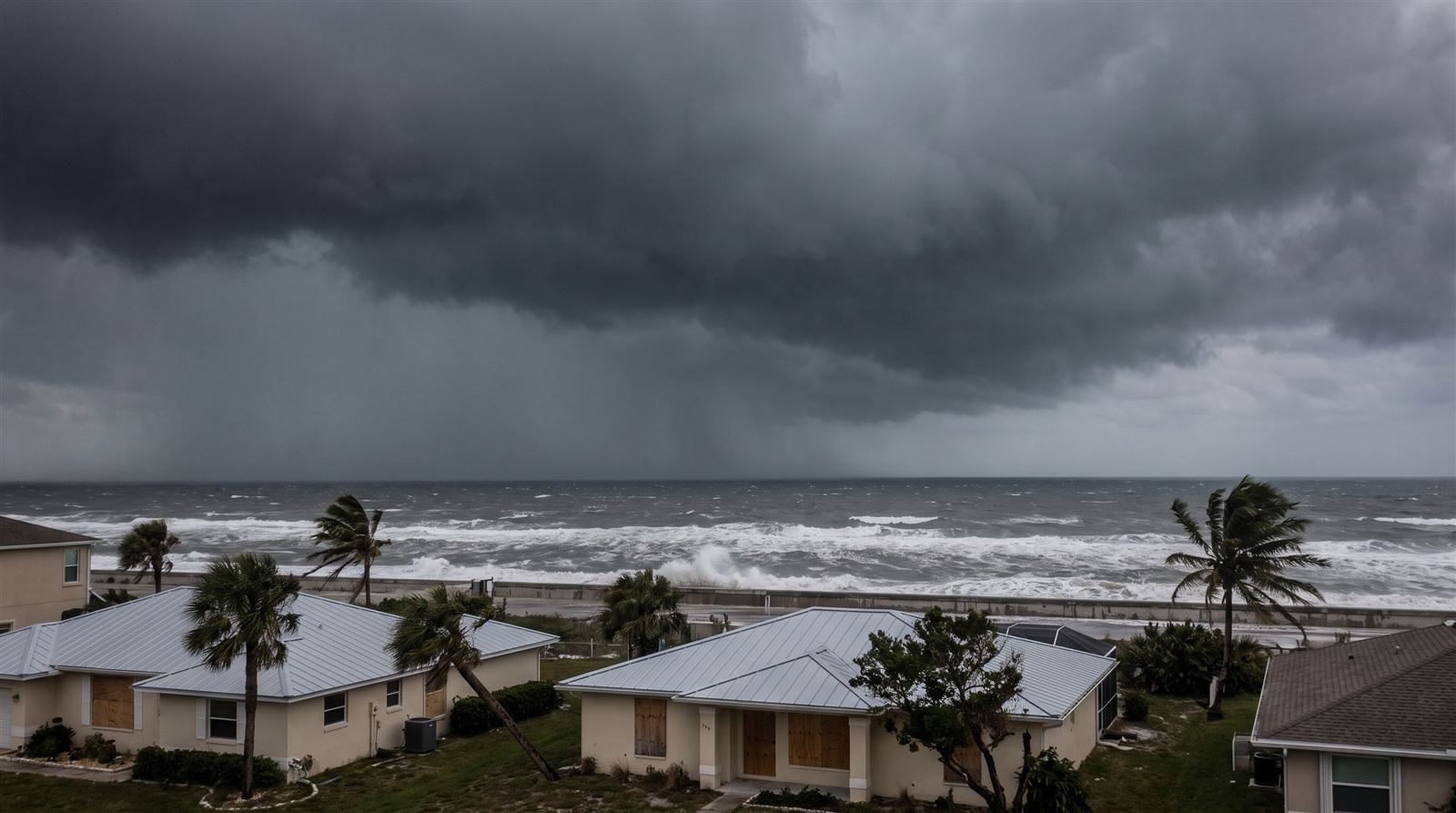
Winter in the Northeast brings a distinct outage risk that differs from hurricane or wildfire-driven power loss: ice storms and heavy, wet snow that accumulate on tree limbs and power lines until they snap under the weight, along with high winds during nor’easters that can bring down distribution infrastructure across wide areas. These outages often strike during the coldest stretches of the year, which raises the stakes considerably, since losing heat during a New England or Mid-Atlantic cold snap is a safety issue, not just an inconvenience. This guide covers what Northeast homeowners should prioritize when preparing for winter power loss.
Why Ice Storms Are Especially Disruptive
Ice storms cause a different kind of damage than wind alone. As freezing rain accumulates on branches and power lines, the added weight can reach levels that snap even healthy limbs and topple lines that would otherwise withstand normal wind loads. Because ice storms often affect wide geographic areas simultaneously, utility crews can face a backlog of downed lines and damaged equipment across many towns at once, which frequently extends restoration timelines well beyond what a more localized outage would require. It is common for the hardest-hit areas after a significant ice storm to remain without power for several days to over a week, particularly in rural and heavily wooded areas where crews have to clear debris before they can even reach damaged equipment.
Sizing a Generator for Cold-Weather Loads
The central sizing consideration for a Northeast winter generator is heating. Homes that rely on an electric furnace, electric heat pump backup strips, or even an oil or gas furnace with an electronic ignition and blower motor all depend on electricity to produce heat, meaning a power outage can mean a home losing heat entirely within hours, even if the furnace itself is not electric-powered in the traditional sense. Beyond heating, factor in well pump loads if you are on a private well, since well pumps typically stop working immediately during an outage, and consider whether you have a sump pump, since winter thaw and ice melt can create basement flooding risk that compounds an outage’s impact. A licensed installer should calculate your home’s full winter load, including your heating system’s electrical draw, rather than sizing based on summer cooling needs alone.
Fuel Considerations for Cold Climates
Both natural gas and propane systems can operate reliably in cold Northeast winters, but propane tank homeowners should pay particular attention to fuel level management heading into winter, since an extended outage combined with sustained heating demand can draw down a propane tank faster than expected. Confirm your tank is filled to an adequate level before the winter season begins, and ask your propane supplier about their emergency delivery procedures during widespread regional outages, since demand for propane delivery often spikes during and after a major ice storm when many households are running generators continuously. Natural gas-fed systems avoid the tank-level concern, but should still be tested prior to winter to confirm reliable cold-weather starting.
Preparing Your Home and Generator Before Winter
Before the first hard freeze each year, confirm your standby generator’s battery is in good condition, since cold weather is a common cause of weak battery failure at the exact moment a generator needs to start. Clear any snow or ice accumulation away from the generator enclosure’s air intake and exhaust vents regularly during winter storms, since blocked ventilation can prevent proper operation or create a safety hazard. If you rely on a portable generator rather than a whole-house system, plan its placement carefully in advance: portable units must run outdoors, well away from windows, doors, and attached garages, which can be more challenging to manage safely during heavy snow, wind, and dark winter evenings than during a summer storm.
Note: never operate a portable generator in a garage, breezeway, or near a window or door, even briefly during a winter storm. Carbon monoxide can accumulate quickly, and cold weather often leads people to place generators closer to living spaces than is safe.
Insurance and Cost Considerations for Winter Outages
Extended winter outages carry specific damage risks that a standby generator directly helps prevent, including frozen and burst pipes when a home’s heating system shuts down for an extended period, and food spoilage from freezer and refrigerator failure. Some homeowners insurance carriers offer a modest discount for a permanently installed standby generator partly because it reduces the likelihood of these exact claims — see our guide on homeowners insurance discounts for standby generators for how this typically works. There is no single well-known Northeast-wide rebate program for generators comparable to Florida’s tax holiday, so check with your specific utility and consult our broader guide on utility rebate programs for how to evaluate what might be available in your area.
Key Takeaways
- Ice storms cause disruption through accumulated weight on lines and trees, which can lead to widespread outages lasting days to over a week in the hardest-hit areas.
- Size a Northeast winter generator around your home’s heating system load, not just summer cooling needs, since heat loss during a cold-weather outage is a genuine safety risk.
- Confirm propane tank levels and delivery plans before winter, since extended outages combined with heating demand can draw down fuel faster than expected.
- Test your generator’s battery and clear snow and ice from intake and exhaust vents regularly during winter storm events.
- No single Northeast-wide rebate program exists for generators; check with your specific utility and consider a permanently installed unit’s potential homeowners insurance discount.
Frequently Asked Questions
How long do power outages from ice storms typically last?
Duration varies by storm severity and how widespread the damage is, but significant ice storms have caused outages lasting several days to over a week in the hardest-hit and most heavily wooded or rural areas, since crews often must clear debris before repairing lines.
What size generator do I need for a Northeast home with electric heat?
Electric heating systems, including heat pump backup strips and electric furnaces, can draw substantially more power than central air conditioning. Have a licensed installer calculate your home’s full winter electrical load, including heating, before selecting a generator size.
Should I worry about my propane tank running low during a long winter outage?
Yes, this is a real risk during extended outages combined with high heating demand. Confirm your tank is adequately filled before winter begins and understand your propane supplier’s emergency delivery procedures for widespread outage events.
Is it safe to run a portable generator during a snowstorm?
Only if it remains outdoors, well away from windows, doors, and attached structures, and is protected from snow and moisture according to the manufacturer’s guidance. Never run a portable generator in a garage or enclosed space, even during severe winter weather.
Does homeowners insurance help cover pipe damage from a winter power outage?
Coverage depends on your specific policy and the circumstances of the damage, and having a standby generator may reduce your risk of a frozen-pipe claim in the first place. Review your policy details and see our guide on homeowners insurance and generator coverage for a general overview, and confirm specifics directly with your insurer.