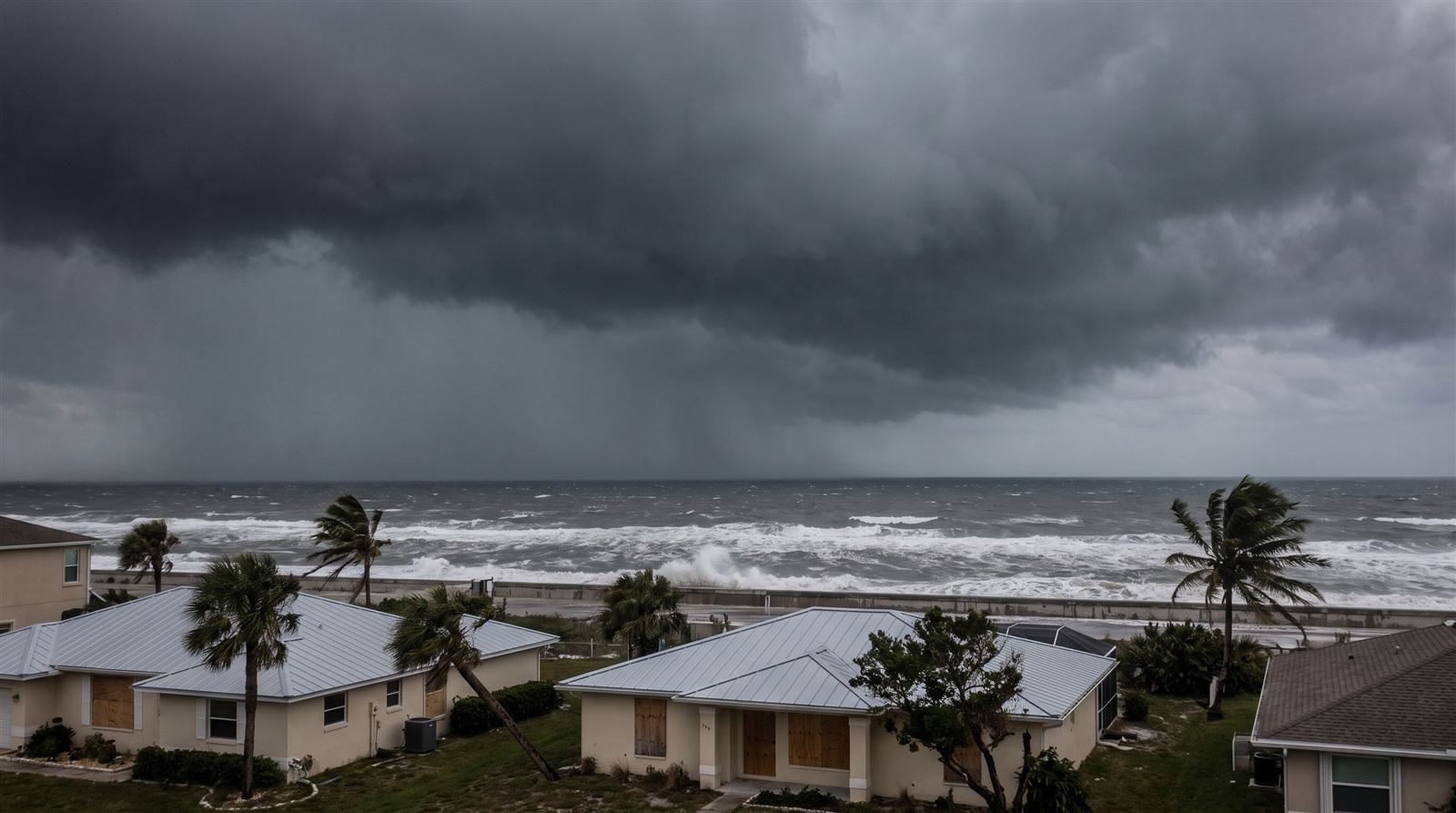
Beyond utility rebates and insurance discounts, a separate category of support comes from emergency preparedness and disaster mitigation programs run by federal, state, and local government agencies. These programs are generally framed around broader disaster resilience rather than existing specifically to subsidize generator purchases, but understanding how they work can help you identify genuine opportunities and avoid wasting time chasing programs that do not actually apply to your situation.
Federal Disaster Mitigation Programs
The Federal Emergency Management Agency (FEMA) administers several hazard mitigation grant programs aimed at reducing future disaster damage, and some of these programs have, in certain circumstances, funded resilience measures including backup power for critical facilities or, in some specific cases, individual households in high-risk areas. These programs are generally administered through state and local emergency management agencies rather than being something an individual homeowner applies for directly with FEMA, and eligibility, funding availability, and program structure change based on congressional appropriations and specific disaster declarations. The FEMA and Ready.gov websites are the correct starting points for understanding current federal disaster mitigation programs, rather than relying on secondhand descriptions of what may have been available in a past funding cycle.
State Emergency Management Agency Programs
Many states maintain their own emergency management agencies that administer state-specific disaster preparedness initiatives, sometimes including grant or loan programs that can apply toward resilience measures like backup power, particularly in states with recurring, well-documented disaster risk such as hurricane-prone Gulf Coast states or wildfire-prone Western states. These state-level programs vary enormously in scope, funding, and eligibility criteria, and many are targeted at specific populations (such as low-income households, seniors, or medically vulnerable residents) rather than being open to any homeowner. Your state’s official emergency management agency website is the correct source for current program details.
Community Development Block Grant Disaster Recovery Funds
Following certain federally declared major disasters, the U.S. Department of Housing and Urban Development (HUD) allocates Community Development Block Grant Disaster Recovery (CDBG-DR) funds to affected states and localities, which are then used for locally determined recovery priorities that can sometimes include resilience measures for housing. Whether backup power assistance is included in a specific CDBG-DR allocation depends entirely on how the recipient state or locality chooses to structure its recovery plan, so this is not a standing program you can count on being available, but rather something worth checking if your area has recently experienced a major federally declared disaster.
Note: federal and state disaster mitigation and recovery program availability depends on specific disaster declarations, congressional or state appropriations, and how funds are allocated locally. These programs change significantly year to year and disaster to disaster, so verify current availability directly with your state or local emergency management agency.
County and Municipal Preparedness Initiatives
Some counties and cities, particularly in disaster-prone regions, run their own smaller-scale preparedness initiatives, which have occasionally included subsidized weather radios, sandbags, or in some documented cases contributions toward resilience equipment for qualifying households, especially those with medical needs or limited income. These are the most locally specific and hardest to generalize about of all the programs discussed here, since they depend entirely on a specific county or city government’s budget and priorities in a given year. Checking your county’s official emergency management or office of emergency services website directly is the only reliable way to know what, if anything, is currently available.
Nonprofit and Charitable Organization Support
Beyond government programs, some nonprofit organizations, including disaster relief charities and disability-focused organizations, occasionally run backup power assistance initiatives, particularly following a major disaster when charitable donations and volunteer capacity are elevated. These programs are typically time-limited and tied to specific disaster response efforts rather than being standing resources, so they are more relevant in the aftermath of a specific event than as an everyday planning resource.
How to Approach This Research Without Wasting Time
Given how fragmented and locally specific these programs are, the most efficient approach is starting with your state and county emergency management agency websites directly, since staff there are generally aware of whatever current programs, whether state-run, federally funded, or nonprofit-administered, apply in your specific area. Avoid searching for a generic national program name, since no single standing federal program subsidizes individual household generator purchases outside of specific disaster mitigation or recovery contexts tied to a declared event.
Key Takeaways
- No standing federal program subsidizes individual household generator purchases outside of specific disaster mitigation or recovery contexts tied to a declared disaster.
- FEMA hazard mitigation programs and HUD’s CDBG-DR funds can sometimes support resilience measures, but they are administered through state and local agencies and depend on specific disaster declarations and appropriations.
- State emergency management agencies, particularly in hurricane and wildfire-prone states, sometimes run their own targeted grant or loan programs for resilience measures.
- County and municipal preparedness initiatives are the most locally specific and least predictable category, requiring direct research with your local government.
- Start your research with your state and county emergency management agency websites directly rather than searching for a generic national program name.
Frequently Asked Questions
Does FEMA give individual homeowners money to buy a generator?
Generally, FEMA’s disaster mitigation and recovery funding is administered through state and local governments rather than distributed as direct individual grants specifically for generator purchases, and availability depends on specific disaster declarations and program structures. Check with your state emergency management agency for how any FEMA-funded resilience programs are structured locally.
Are these programs only available after a disaster has already happened?
Some programs, like HUD’s CDBG-DR funds and certain nonprofit relief efforts, are specifically tied to recovery after a declared disaster has occurred. Others, like some state emergency management grant programs, may be available proactively for preparedness rather than only in response to a specific event, so check both categories for your area.
How do I find out what my state emergency management agency offers?
Visit your state’s official emergency management agency website directly and look for sections on grants, resilience programs, or disaster mitigation funding. If the website is unclear, contact the agency directly, since program details are not always easy to find through a general search.
Can nonprofit organizations help pay for a generator?
Some disaster relief charities and disability-focused nonprofits occasionally run backup power assistance programs, particularly following a major disaster, though these are typically time-limited rather than standing resources. Search for established, verifiable organizations active in your specific region and disaster context.
Is it worth waiting for a preparedness grant instead of buying a generator now?
If your household faces an immediate and known outage risk, waiting for a grant that may or may not materialize is generally not a sound safety strategy. Pursue grant research in parallel with your purchase decision rather than delaying a genuinely needed safety investment on the chance of future funding.