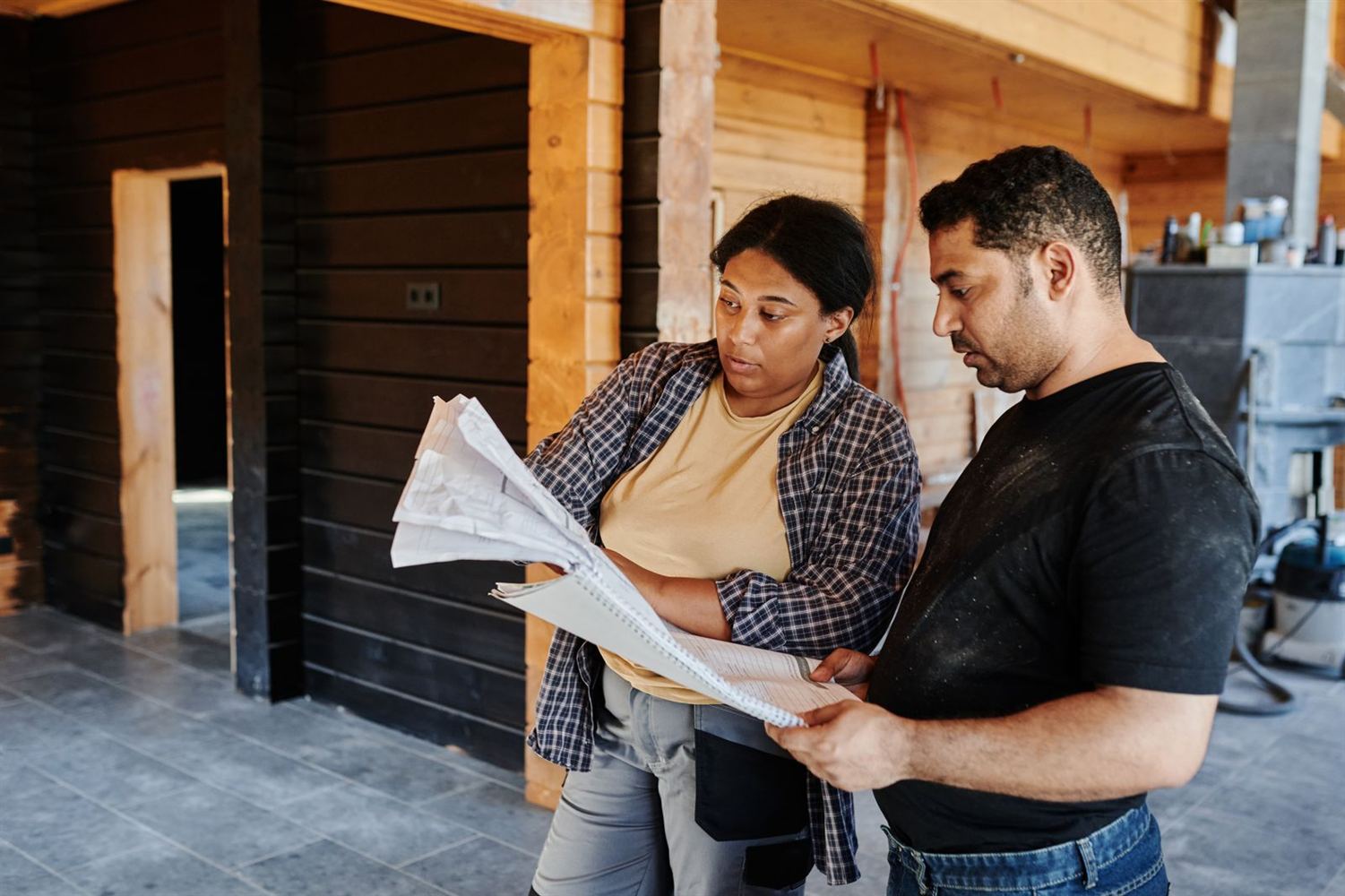
A complete whole-house generator installation quote should itemize the generator unit, the automatic transfer switch, electrical labor, gas or propane line work, site preparation, permits, and any needed panel upgrade — not just a single bundled price. Understanding each of these components helps you evaluate whether a quote is thorough or whether important costs have been left out, only to appear later as a change order once work has already started.
The Generator Unit Itself
This is the physical standby generator, specified by brand, model number, and kW output rating. A proper quote names the exact model rather than a generic size (“a 22kW generator” isn’t enough — you want to see the manufacturer and model number), since features like enclosure quality, engine type, and available monitoring options vary between models even at the same kW rating. This line item typically represents a meaningful share of the total cost, though it is rarely the majority once installation labor is factored in for anything beyond the simplest site.
The Automatic Transfer Switch
The transfer switch detects a utility power outage and automatically switches your home’s electrical panel over to generator power, then switches back when utility power returns. Transfer switches vary by amperage rating and whether they manage the whole panel or a subset of circuits through a load management system. This should be listed as its own line item with its own model number, since it’s a distinct piece of equipment from the generator itself and its price varies based on capacity.
Electrical Labor
This covers the licensed electrician’s work: running conduit and wiring between the generator, the transfer switch, and your main panel, connecting control wiring, and in many cases installing or reconfiguring circuits for load management. Electrical labor cost depends heavily on the physical distance between the generator and your panel, and on whether your existing panel can accept the new connection without modification.
Gas or Propane Line Work
If you’re running on natural gas, this covers running or upsizing the gas line from your meter to the generator, along with the pressure testing required before startup. If you’re using propane, this may include tank installation or upgrade (rented, purchased, or upsized), regulator work, and the line run to the generator. Because this work is performed by a licensed plumber or gas fitter — a different trade than the electrician — it should appear as its own clearly identified cost, whether the generator dealer subcontracts it directly or you’re coordinating it separately.
Site Preparation and the Generator Pad
Most standby generators sit on a concrete slab or a manufactured composite/plastic pad, positioned to meet manufacturer clearance requirements and local setback rules regarding distance from windows, doors, and property lines. This line item covers the pad material and the labor to prepare and level the site. On sloped, rocky, or otherwise difficult terrain, site prep costs can run higher than on a flat, easily accessible yard.
Permits and Inspection Fees
Most jurisdictions require an electrical permit, and many require a separate mechanical or gas permit for the fuel line. A transparent quote either includes these fees explicitly or clearly states that they’ll be billed separately once the permit amount is confirmed with your local building department. Permit costs vary significantly by city and county, so don’t assume a number quoted for a friend’s installation in a different area will match yours.
Panel Upgrade, If Needed
Not every home needs this, but if your electrical panel is outdated, at capacity, or otherwise incompatible with the new transfer switch connection, a panel upgrade may be required before installation can proceed. This is a substantial additional cost when it applies, so make sure your quote states clearly whether a panel upgrade is included in the estimate, needed but not yet priced, or confirmed unnecessary based on the site assessment.
Comparing Quote Structures
| Line Item | Should Be Itemized? | Common Pitfall If Missing |
|---|---|---|
| Generator unit (brand/model) | Yes | Vague “22kW generator” without specifying model |
| Transfer switch (brand/model) | Yes | Bundled into “electrical” with no separate spec |
| Electrical labor | Yes | Open-ended “labor as needed” with no cap |
| Gas/propane work | Yes | Assumed included but actually billed by a separate subcontractor |
| Pad/site prep | Yes | Left out entirely, added later as a surprise fee |
| Permits | Yes, or clearly flagged as separate | Assumed included, then billed after the fact |
| Panel upgrade | Yes, if applicable | Discovered mid-installation, causing delays and cost increases |
What a Quote Should Also State Beyond Price
Beyond the cost breakdown, a complete quote should specify the estimated project timeline, who is responsible for pulling each permit, what warranty applies to the equipment versus the labor separately, and payment terms including deposit amount and when the final payment is due. These details matter as much as the price itself, since a low price with vague terms can end up costing more in delays or disputes than a slightly higher price with everything spelled out clearly.
Note: exact line items and how they’re bundled vary by installer. Some companies include permit fees in their base price while others bill them separately — always ask directly rather than assuming.
Key Takeaways
- A complete quote itemizes the generator, transfer switch, electrical labor, gas/propane work, site prep, and permits — not just one bundled total.
- The generator and transfer switch should be identified by specific brand and model number, not just size.
- Permit fees and any panel upgrade should be explicitly addressed, either included or clearly flagged as separate.
- Comparing quotes by line item, not just bottom-line price, reveals whether one bid is missing scope that another includes.
- A trustworthy quote also states timeline, warranty terms, and payment schedule clearly.